Quote
Subtotal: $0

Views: 0 Author: Site Editor Publish Time: 2025-12-24 Origin: Site


What's the true cost of a cracked bottle neck or a leaky cork? In the world of premium spirits, a single defective glass spirits bottle can ruin a first impression, damage a brand's reputation, or even cause safety hazards.
With the global spirits market projected to exceed $600 billion by 2030, packaging quality is no longer negotiable—it's a competitive edge. From artisan gin to luxury whiskey, consumers demand perfection not just in taste, but in presentation and reliability.
In this post, we'll explore why quality control for glass spirits bottles and closures is critical, what international standards apply, how defects are detected, and how leading manufacturers like HUIHE implement meticulous inspection systems. Whether you're a distiller, brand owner, or packaging buyer, this is your ultimate guide to packaging integrity.
Glass spirits bottles must meet strict dimensional, material, and sealing standards to ensure safety and shelf appeal.
Quality control begins with raw material inspection and spans to final packaging, including automated and manual checks.
Closures like bar-top corks and screw caps must be tested for compatibility and leak prevention.
HUIHE offers full-scope QC with 100% inspection, laboratory testing, and ISO-compliant protocols.
Investing in quality saves money on returns, recalls, and brand recovery over the long term.
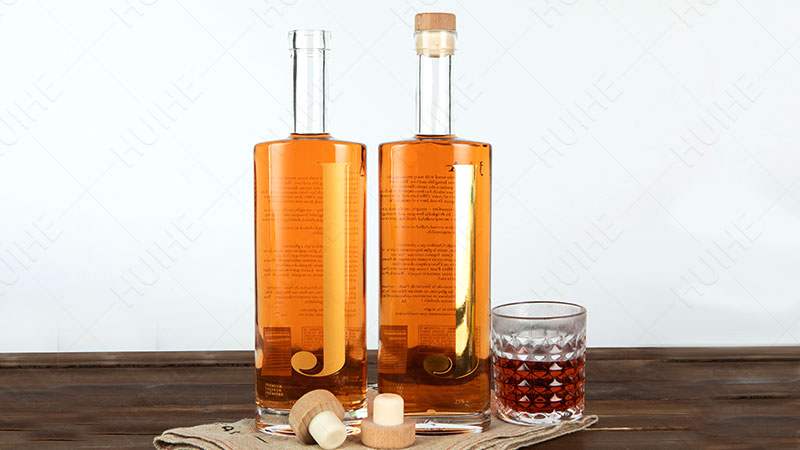
The spirits industry thrives on trust, aesthetics, and safety. A poorly made glass spirits bottle not only risks leakage or breakage but also undermines the perceived value of the product inside.
Consider these impacts of poor quality:
Product recalls due to contamination or breakage
Customer complaints from leaking or cracked bottles
Brand damage from inconsistent packaging
Operational delays from incompatible closures
For premium spirits, packaging is a major part of the product experience. High-quality glass spirits bottles ensure:
Consistent branding across batches
Regulatory compliance (FDA, EU FCM, etc.)
Safe storage and transport
Customer satisfaction and loyalty
Leading glass spirits bottle manufacturers follow a combination of international, industry-specific, and internal QC standards. Here are the key frameworks:
| Standard | Scope | Applies To |
|---|---|---|
| ISO 9001 | Quality Management Systems | All production processes |
| ISO 15378 | GMP for packaging materials | Bottles for food and beverage |
| GPI Standards | Glass Packaging Institute specs | Tolerances, defect classification |
| ASTM C1036 | Flat glass quality | Visual and dimensional inspection |
Automated inspection machines with infrared and photo sensors
Manual inspection teams trained in defect identification
Spot tests in an internal lab: stress, thermal shock, pressure
As detailed on HUIHE's quality control, every bottle is subject to full inspection, with critical data recorded for traceability.
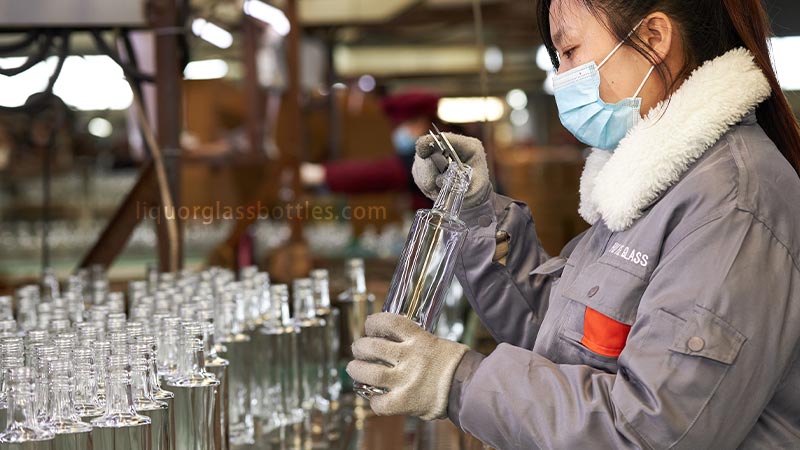
Even minor defects in a glass spirits bottle can result in catastrophic failure during transport, storage, or use. Here's a categorized list of defects and their implications:
| Defect Type | Examples | Impact |
|---|---|---|
| Mouth defects | Chipped rim, crooked neck | Leaks, closure incompatibility |
| Body flaws | Bubbles, inclusions, deformation | Poor aesthetics, structural weakness |
| Base defects | Uneven bottom, cracks | Tipping risk, breakage |
| Color issues | Inconsistent tint | Brand inconsistency |
| Wall thickness | Uneven or thin walls | Fragility under pressure |
Mouth crack detection
Crooked neck alignment
Bubble & inclusion analysis
Body deformation check
Wall thickness consistency
Every bottle undergoes both manual and automated inspections to eliminate high-risk defects.
A high-quality glass spirits bottle is only as good as its closure. Improper neck dimensions or finish defects can compromise the seal, leading to:
Leakage
Evaporation of alcohol
Contamination from air or particles
Failed tamper-evident features
| Closure Type | Compatibility Checkpoints |
|---|---|
| Bar-top cork | Neck diameter, cork fit, torque |
| T-cork | Cork depth, finish smoothness |
| Screw cap | Thread accuracy, sealing torque |
| Swing top | Pressure seal, hinge alignment |
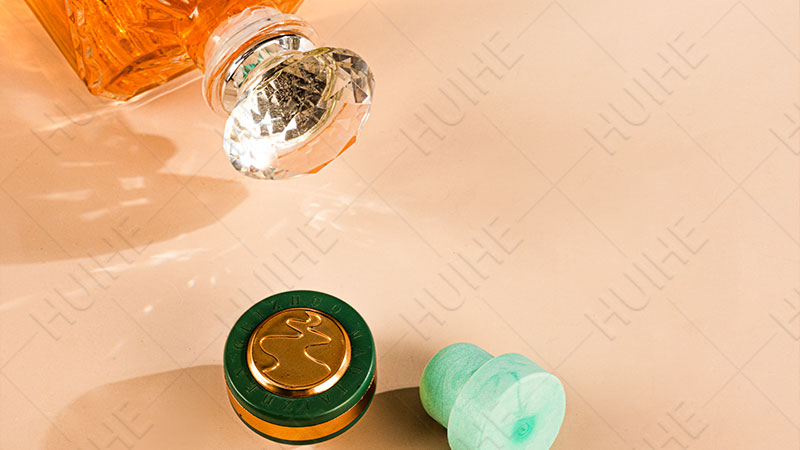
HUIHE performs torque testing, leak testing, and fit simulation for closures, ensuring both functional and aesthetic reliability.
As a leading manufacturer of glass spirits bottles, HUIHE has established a comprehensive 6-step QA process:
Raw Material Inspection
Sand, soda ash, and cullet are tested for purity and consistency.
Hot-End Inspection
After molding, bottles are checked for gross defects like cracks and deformities.
Cold-End Inspection
Automated machines handle high-speed, high-resolution checks on every unit.
Laboratory Testing
Spot checks for thermal shock resistance, wall thickness, pressure endurance.
Closure Compatibility Testing
Real-world application of closures to assess sealing performance.
Final Packaging QC
Cartons, dividers, and palletization are tested for transport durability.
To meet global regulatory and customer expectations, HUIHE provides:
ISO 9001:2015 certification
SGS / Intertek lab reports on request
EU & FDA food-contact compliance
Batch traceability from raw material to finished pallet
COA (Certificate of Analysis) with every shipment
Production date & shift
Mold number
Inspection records
Raw material lot
This system ensures that any issue can be traced back and resolved efficiently.
Cutting corners on QC may save pennies today, but costs dollars tomorrow. Let's break down the ROI of quality:
| Scenario | Without QC | With QC |
|---|---|---|
| Product returns | High | Low |
| Brand damage | Likely | Rare |
| Customer trust | Erodes | Builds |
| Production delays | Frequent | Minimal |
| Compliance issues | Risky | Covered |
Fewer returns = lower logistics costs
Better packaging = higher shelf appeal
Trustworthy supplier = repeat business
Consistency = scalable global growth
In the age of premiumization and global competition, quality is not optional—it's your brand's signature.
A flawless glass spirits bottle with a perfectly fitted closure speaks volumes before the first sip is even poured. With a full-suite QC infrastructure, HUIHE ensures every bottle delivers not just your spirit, but your brand promise.
From defect detection to closure compatibility, from lab testing to certifications, we help your product rise above the rest—safely, beautifully, and consistently.
Ready to elevate your packaging? Contact HUIHE for free samples, inspection reports, and OEM consultation.
A: Mouth cracks, crooked necks, bubbles, and wall thickness deviations are leading causes.
A: Through a combination of manual inspection and automated machines with infrared and photo sensors.
A: Yes, HUIHE provides COA, lab tests, and third-party reports upon request.
A: Bar-top corks, T-corks, screw caps, swing tops, and custom closures.


