Quote
Subtotal: $0

WHOLESALE & CUSTOM MANUFACTURER
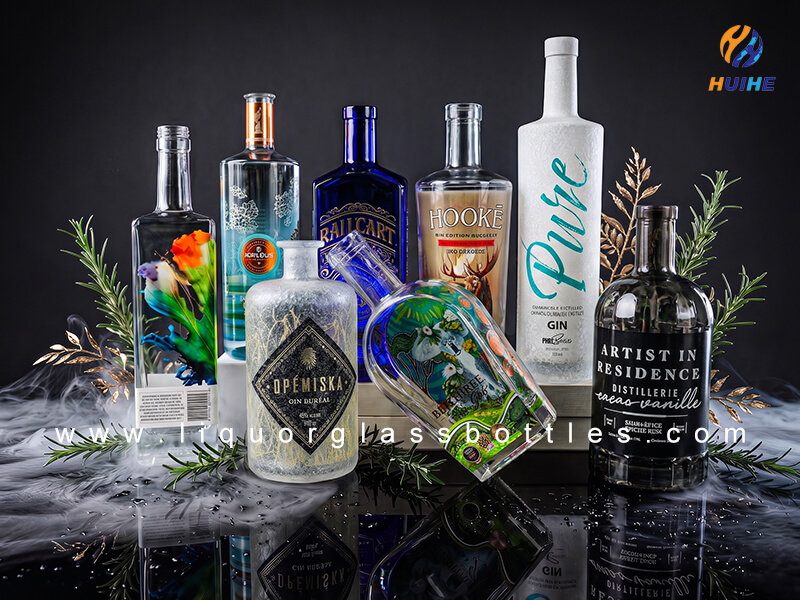
In most spirits categories, the bottle supports the brand. In gin, it is the brand. The liquid is colorless. The botanicals are invisible. The heritage is whatever you say it is. Every visual argument your brand makes to a buyer, a bartender, or a customer starts with the glass in their hand — and most of it is decided before the label is read.
HUIHE manufactures gin glass bottles for distilleries, brand owners, and private label operators who understand this. Custom shapes, specialty colors, botanical-inspired embossing, and surface finishes that make a 70cl bottle earn its shelf position. Factory-direct from Xuzhou, China. Shipping to 60+ countries since 2008.
Stock MOQ
Custom MOQ
Stock dispatch
Custom production
Export countries
Certifications
Before 2008, gin was a category with a small number of well-established global brands and fairly conventional bottle formats — tall cylinder, some green glass, standard label. Then craft distilleries started appearing in the UK, Australia, and continental Europe by the hundreds per year. By 2023, the UK alone had over 800 active gin distilleries.
These new producers couldn't compete on heritage, distribution, or marketing budgets. They competed on the bottle. The gin bottle became the primary brand identity vehicle in a way that had never happened in spirits before — not because of any design trend, but out of commercial necessity. A £40 gin on a specialist retailer's shelf has about three seconds of visual attention. The bottle has to earn that attention before the label text is readable.
The result is that gin now has wider glass bottle design diversity than any other spirits category — more unusual shapes, more color options, more surface textures, more botanical embossing — and more buyers who come to a manufacturer with a specific design vision rather than a generic format request.
Active gin distilleries in the UK alone
Standard EU/UK gin format (vs 75cl for North American spirits)
Average visual attention span on a specialist spirits shelf
Most diverse bottle design of any spirits category
This context matters for buyers. If you're sourcing gin bottles for an established brand format, standard stock options work well. If you're launching or rebranding, the bottle design conversation should come before the bottle spec conversation — and we can be part of it from the engineering side.

"Our clients aren't buying a gin bottle. They're buying the visual argument their brand makes to a consumer who is going to spend 3 seconds looking at a shelf of 40 bottles."
— HUIHE Sales Team, from a brand consultation
STYLE REFERENCE GUIDE
These are the visual languages that the gin category has developed over the past 15 years. None of them are fixed rules; many successful bottles deliberately mix elements from different archetypes. But understanding where a bottle sits — or intends to sit — in this vocabulary is the first step in a useful design brief.
Heritage · Premium London Dry
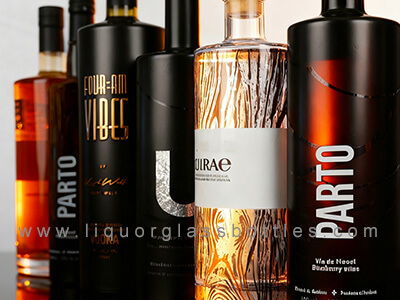
Tall, slender, slightly tapered — evoking 18th and 19th century London gin culture. Often dark green or amber glass. Embossed botanical or pharmacy motifs. The shape communicates history and craft before the label is read. This is the visual code of established UK heritage gin.
Glass color
Decoration
Closure
Weight
Dark green / amber
Emboss + screen print
Natural cork bar-top
420–520g (70cl)
In production — stock formats available
Modern Premium · Competition Gin
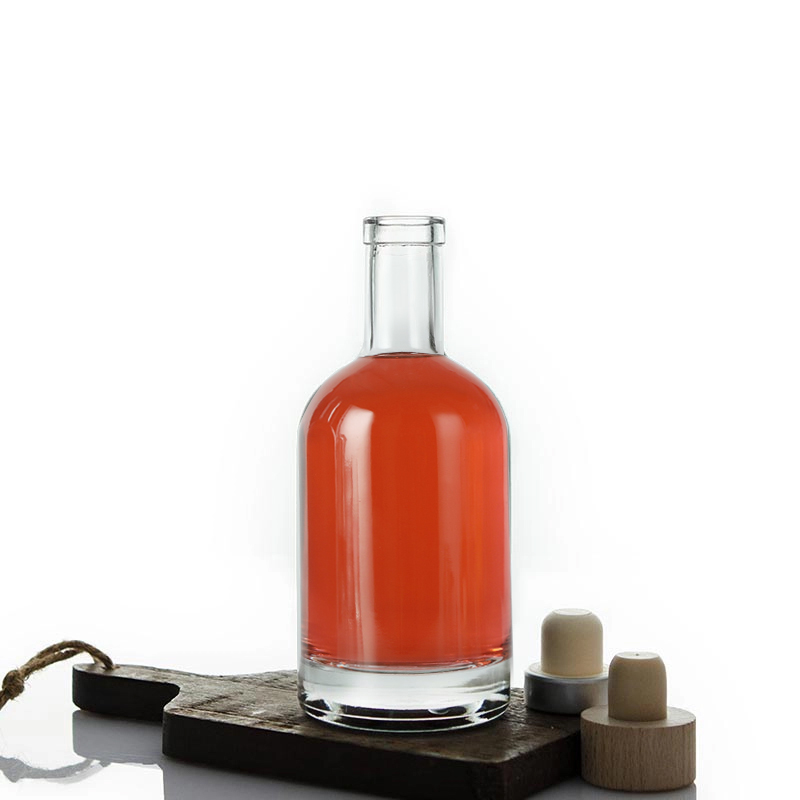
Clean, straight-sided, minimal. Lets the label do the talking. Suits minimalist Scandinavian-influenced brands and competition-circuit gins where the story is in the distillation, not the container. High-white or crystal-white glass, typically. Works on all automated filling lines without modification.
Glass color
Decoration
Closure
Line compat.
Crystal white /high-white
Label or minimal screen print
ROPP or synthetic bar-top
Best of all shapes
In production — stock formats available
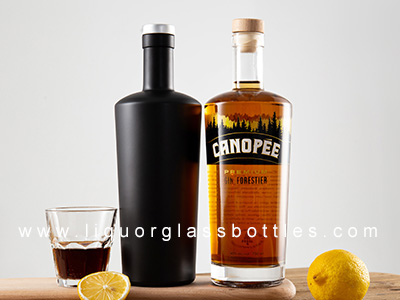
Craft Positioning · Artisan Appeal
A wider, rounder mid-section tapering to a narrower neck — visually suggesting abundance of botanicals and hand-production. Popular among UK and Australian craft gin brands. The shape has strong back-bar presence but requires careful label applicator setup due to curved surface radius.
Glass color
Decoration
Closure
Note
Green/clear/amber
Wrap-label or emboss
Natural cork bar-top
Confirm label head radius
Custom mold — 10,000 unit MOQ
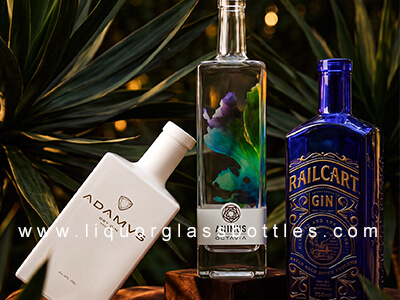
Architectural · Backbar Dominant
Rectangular or square format — takes up visual space differently than a round bottle, creates a frame-like presence on a backbar or retail shelf. Strong associations with British and Continental premium gin. Flat panels make label adhesion the most consistent of any gin bottle shape. One of our most requested gin formats.
Glass color
Label surface
Pallet eff.
Closure
Any — label often front-only
Best flat adhesion of all shapes
Best of all gin shapes
ROPP or bar-top
Stock formats available
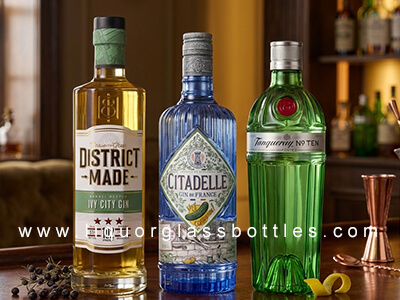
Design-Led · Photography Optimized
Multi-panel faceted body that catches and breaks light. The most visually distinctive gin bottle format — impossible to miss on a backlit bar shelf. Extremely popular with brands targeting Instagram-literate markets (UK independent specialists, Asian premium retail). More complex mold geometry means higher tooling cost.
Glass color
Decoration
Tooling
Photography
Crystal white for max effect
Minimal - shape does work
Higher - multi-facet mold
Outstanding backlit results
Custom mold development
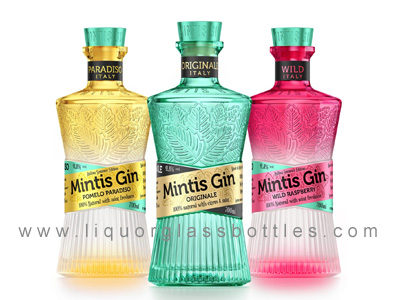
Proprietary · Brand Exclusive
A completely unique shape existing nowhere else — the route for brands that have developed a clear visual identity and need a bottle to match it. We have produced custom gin bottle molds for European craft distilleries, Asian premium retail brands, and private label operators managing multiple brand accounts. All IP is strictly exclusive.
MOQ
Development
IP protection
Revisions
10,000 units
Brief to sample ~30 days
Mold exclusive, NDA available
1 mold revision included
Fully bespoke — tell us your brief
STANDARD FORMATS
The 70cl format dominates. UK and European markets standardized on 70cl for gin as the category scaled, and most craft gin buyers — regardless of where they're based — produce for that market first. The 50cl format is growing in premium and gift-tier contexts. Our clients primarily work in the 500ml–1L range.
For brands launching in both EU (70cl) and North American (75cl) markets: sister molds produce matched 70cl + 75cl formats from the same bottle design family, with shared decoration parameters and coordinated sample approval timelines.
GLASS COLOR GUIDE
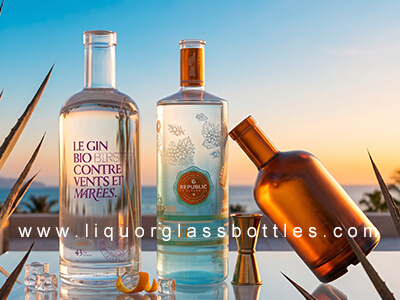
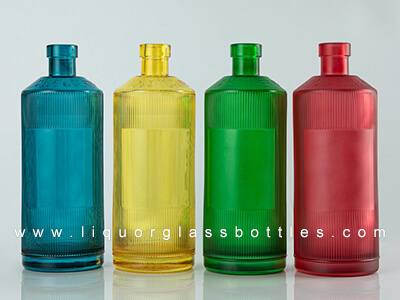
In whiskey, glass color is largely functional (amber for UV protection). In vodka, it's mostly clarity-driven (crystal white). In gin, glass color is a brand strategy decision — it communicates botanical provenance, brand personality, and market positioning before the label is read. This is why gin has more glass color variety than any other spirits category.
The colors below represent our standard production range. Availability notes are accurate for stock and regular production runs. Custom colors require minimum quantities and a color approval sample prior to mass production.
Why green glass dominates craft gin: Dark green glass has two things working for it in gin. The historical association (Georgian London gin was sold in green glass bottles) gives brands instant heritage credibility. And certain photosensitive botanicals — particularly citrus peel and some floral infusions — do benefit from UV filtering in green glass. Together, these make dark green the default "craft gin signal" in the UK market. A green bottle doesn't need to explain itself; it positions a gin immediately before the label is read.
The signature gin color. Conveys botanical heritage, craft production, and UK gin tradition. UV filtering is a secondary functional benefit.
Stock — ready to ship
Water-clear, no iron tint at any angle. Best choice for faceted bottles, heavy-base designs, and brands where the glass purity is part of the visual identity.
Stock — always available
Used for aged or barrel-rested gin expressions. Conveys maturity and crossover with whiskey heritage. Growing in premium botanical gin.
Stock — standard run
High-visibility premium signal. Strong on photography and backlit bar displays. Less common — makes a brand distinctly identifiable in a shelf set.
Custom — min qty applies
Luxury and nightlife-adjacent positioning. Often combined with metallic decoration and bar-top closure for a premium gift or limited-edition presentation.
Custom — min qty applies
Any glass batch color or spray coat shade matched to your brand palette. Color approval sample produced before mass production. Minimum quantities apply.
Custom — Pantone match available
CLOSURE SYSTEMS
More than any other spirits category except perhaps whiskey, gin closure choice is a brand communication decision. The closure is the first physical interaction a consumer has with the bottle — and in a bar environment, it's also a bartender's second-by-second operational judgment. The wrong closure for the brand tier (e.g. a screw cap on a £45 craft gin) creates a cognitive dissonance that undermines the label's work.
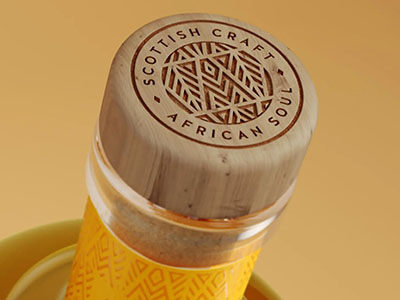
| Bar-Top Top Material Options | ||
| FSC Oak / Beech | Traditional craft · laser engrave / stain options | |
| Bamboo | Sustainability narrative · natural / craft brands | |
| Aluminum Top | Contemporary / modern gin positioning | |
| Plastic / Resin | Custom color / molded brand shapes · production efficient | |
Most common · Craft & premium
The default closure for craft and premium gin in UK and European markets. The T-top (wood, aluminum, or plastic cap on a natural cork shank) creates an opening experience appropriate for a product positioned as hand-crafted. The resistance of the natural cork, the sound of the pull, the size of the top — these are all part of the brand experience. Natural cork is FSC-certified; it also carries a marginal TCA contamination risk (managed through supplier QA) and some dimensional variability run-to-run.
Bore: 18.5mm or 21.5mm · Top materials: FSC oak, beech, aluminum, plastic · Min bore tolerance: ±0.2mm
Premium alternative
Same T-top format as natural cork, but with a synthetic (TPE or PE) shank. Zero TCA risk, dimensionally consistent batch-to-batch, and resistant to high-ABV spirits content without swelling. Suitable for brands that want the bar-top visual and tactile premium without the natural cork variability. Marginally less "heritage" storytelling value, but operationally cleaner for high-volume or export-focused production.
Bore: 18.5mm or 21.5mm · Extraction force: confirmed at sample stage
High-volume / mainstream
For mid-tier and high-volume gin production, ROPP is the correct operational choice. Threads form in-situ during application — requires dedicated ROPP capping equipment, not interchangeable with CT screw cap lines. Built-in tamper evidence (pilfer band breaks on first opening). Aluminum embossing and color printing available for brand differentiation within the ROPP format. Common bore diameters for gin ROPP: 28mm.
Requires ROPP capping heads · Bore: 28mm standard · Not compatible with CT screw cap equipment
Before ordering:
Confirm your capping line type (bar-top inserter, ROPP rolling heads, or CT screw-capping head) and bore diameter. Bar-top and ROPP finishes use different neck geometry. A mismatch between bottle neck finish and capping equipment is the most common first-order problem for new accounts — it's resolved at sample stage, not post-delivery.
SURFACE DECORATION
Gin buys more surface decoration per bottle — and uses more varied decoration techniques — than any other spirits category we produce. This isn't a coincidence: it's a direct result of the brand differentiation pressure in the category. When 800+ UK gins are competing for the same shelf space, the bottle's surface treatment is often the deciding visual factor.
All decoration at HUIHE PACK is handled in-house across four dedicated deep-processing facilities. No subcontracting.
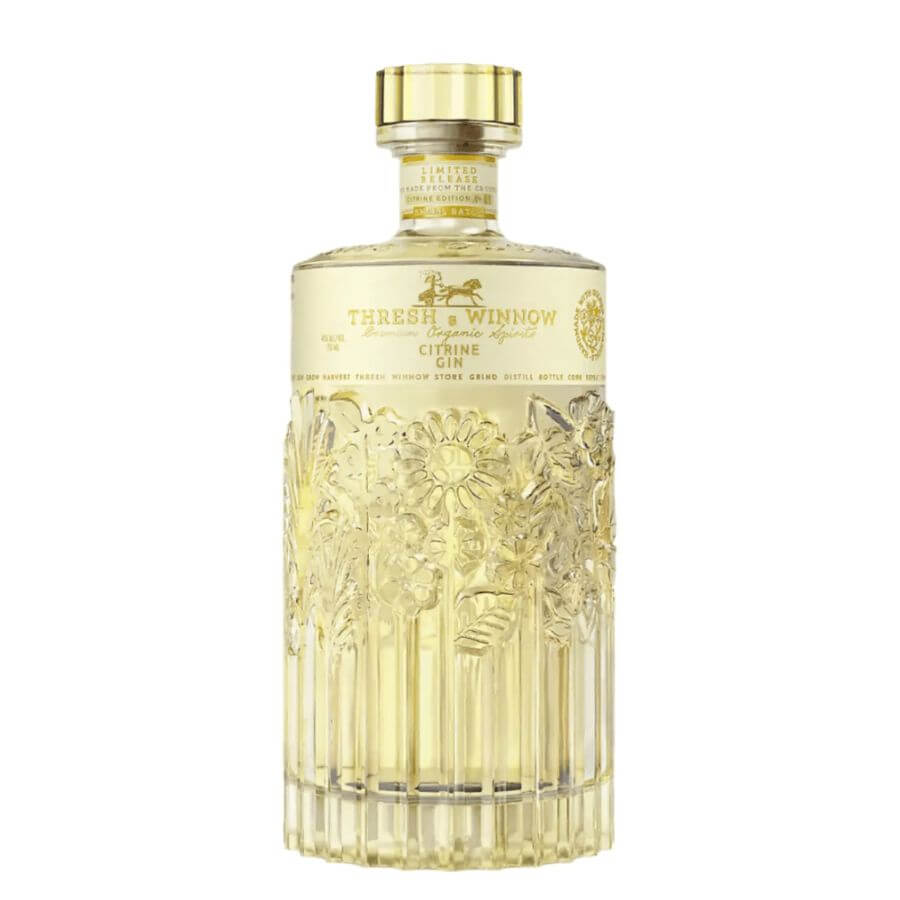
Raised design elements built into the mold and cast permanently in the glass. For gin, the most common emboss elements are: botanical outlines (juniper berry, citrus peel, herbs, flowers), brand crests or monograms, and repeat texture patterns wrapping the bottle body. Zero surface application risk — the detail is in the glass itself, unaffected by temperature, moisture, or handling.
→ Most requested gin decoration. Specified at drawing stage, included in mold cost.
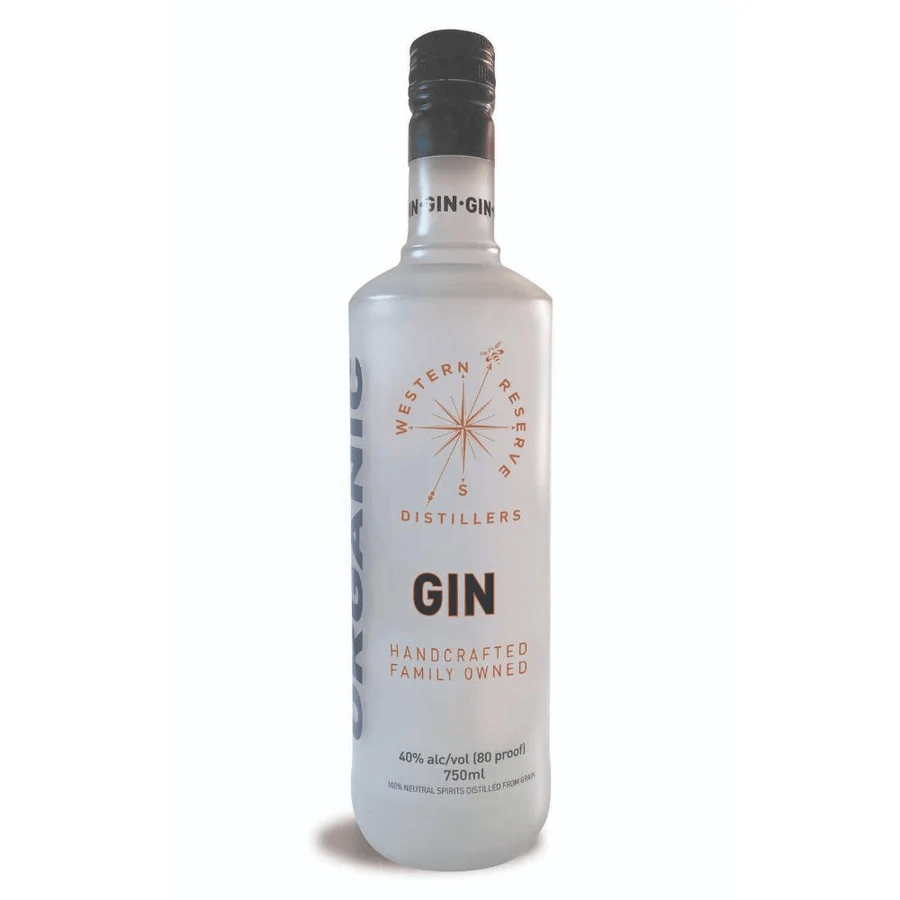
Full-body frosted texture, or masked-pattern frosting with clear areas for label placement or print panels. Creates a satin, tactile surface that photographs exceptionally well and feels premium in-hand. Common combination: embossed botanical design on a frosted body, with a clear window for the brand panel.
→ Very common in UK craft gin — the "frosted botanical bottle" visual code.
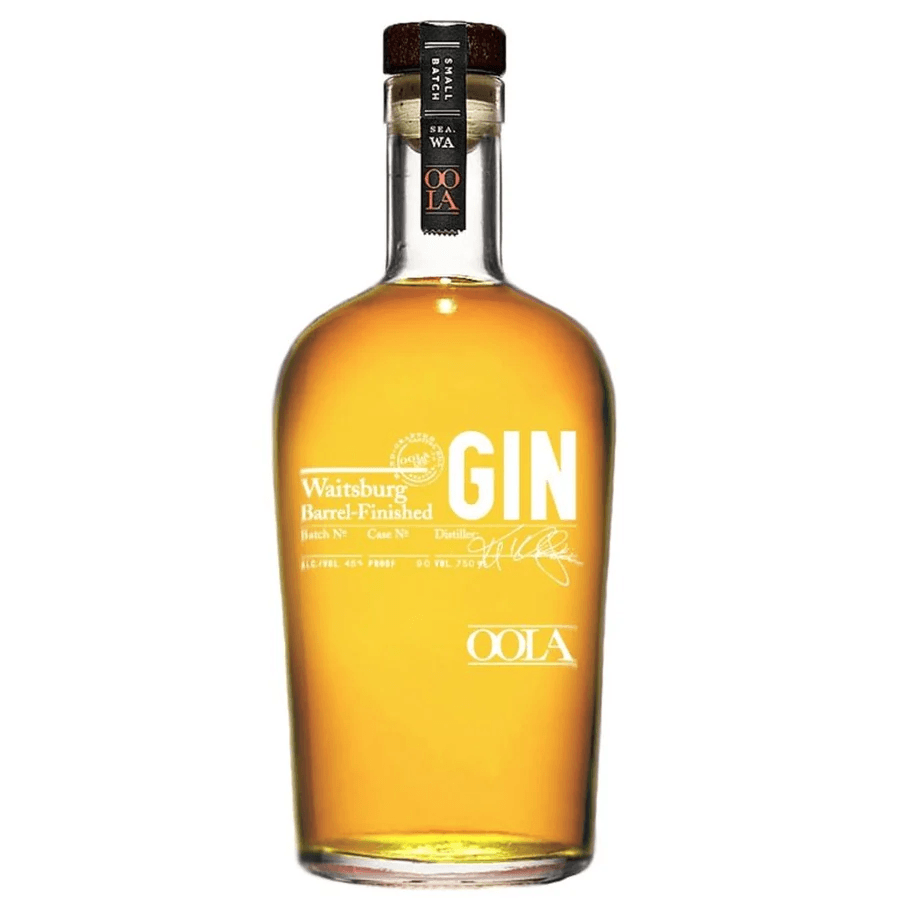
Fired ink on glass surface, suitable for complex brand graphics, regulatory text, and botanical illustration prints. More permanent than labels and more flexible than ceramic decal for most gin volume runs. Up to 8 color separations; works on cylinder, flat-panel square, and (with tooling) curved surfaces.
→ Used across all archetypes. Primary output format for botanical illustration prints.
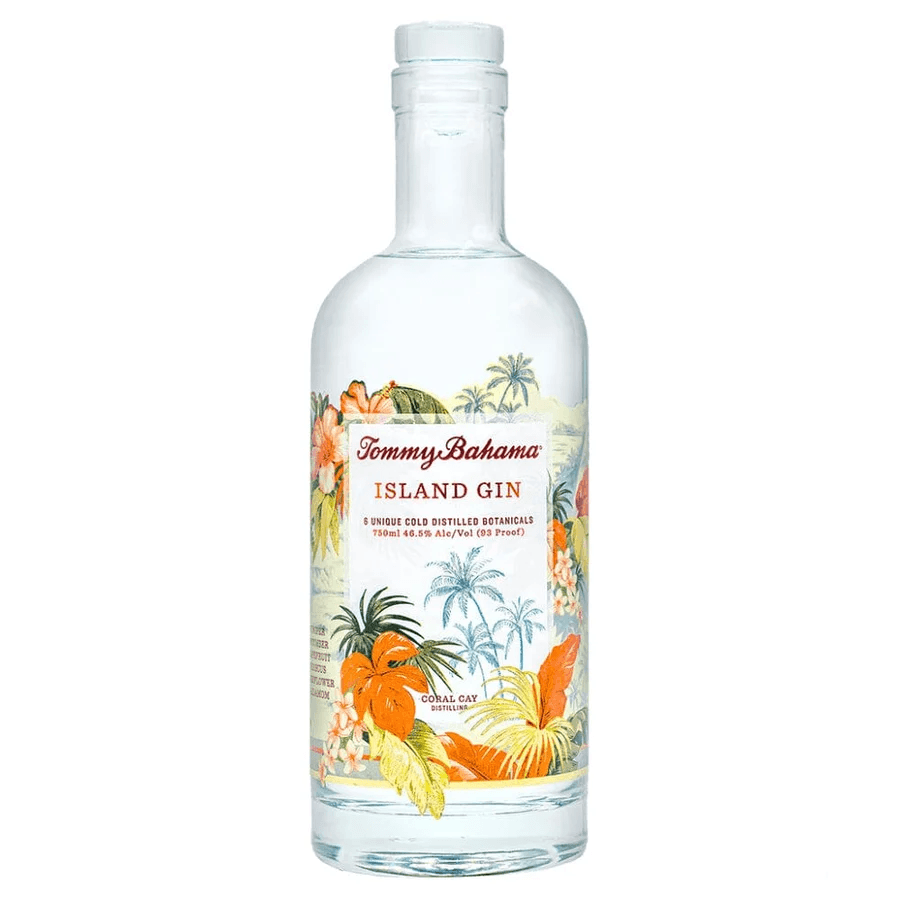
High-definition ceramic pigment image fired directly onto glass. Achieves photographic quality that screen printing cannot — suitable for highly detailed botanical illustration, portrait imagery, and complex gradient designs. Longer lead time than screen print; used for limited edition and collector tiers.
→ Limited edition gin bottles, collector series, gift tiers.
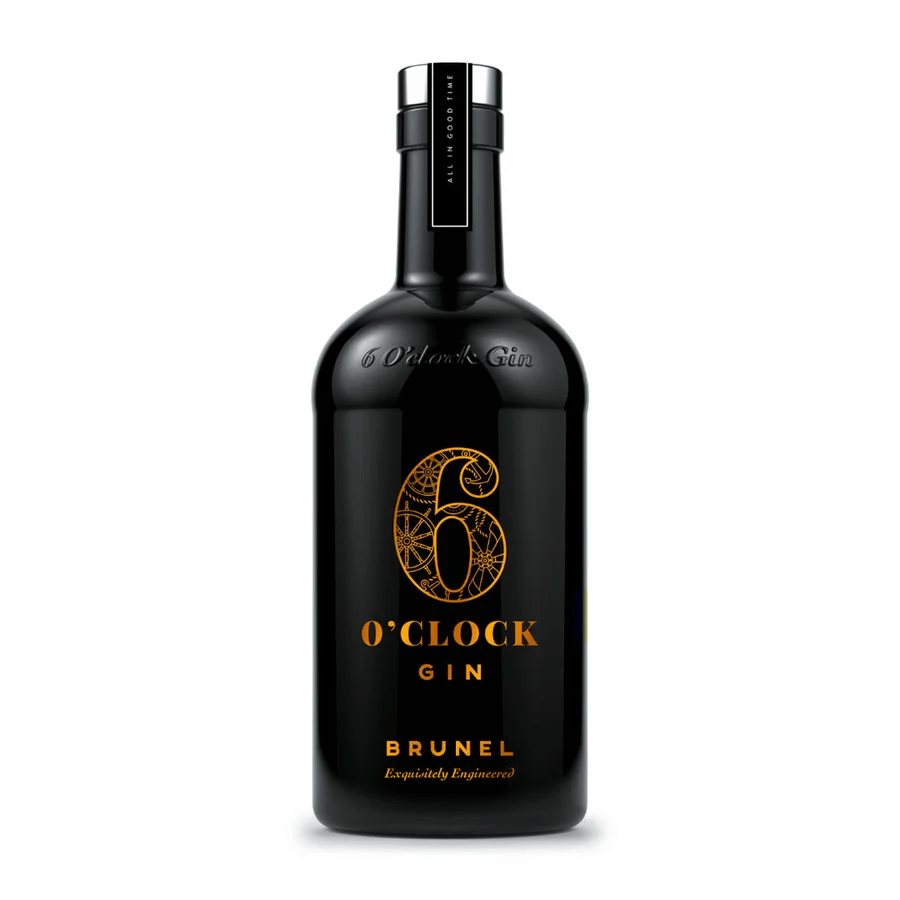
Gold, silver, rose gold, and custom metallic foil applied as accents — typically for brand name, crest, or border elements. Adds premium visual weight at low cost relative to full electroplating. Very common as a finish layer over screen-printed or embossed gin bottles at the premium tier.
→ Common accent on Georgian Apothecary and heritage-positioned gins.
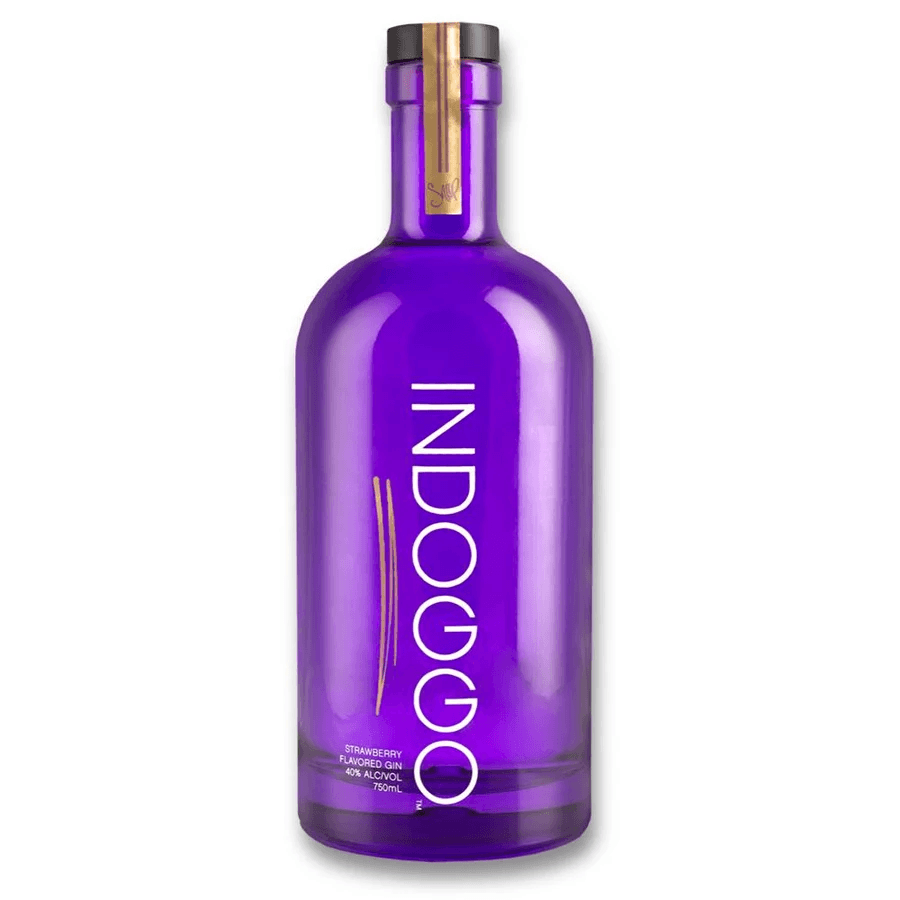
360° color or gradient coverage for brands that need a specific color across the entire bottle body. Used when mold-in glass color has too high a minimum order quantity, or when the required color isn't available as a standard glass batch. Pantone-matched sprays available; color approval sample before production.
→ Fashion Form and color-identity gin brands.
We run screen printing, etching, embossing, hot stamping, ceramic decal firing, spray coating, and electroplating across four dedicated facilities at our Xuzhou production site. No subcontracting. One QC team accountable for the complete bottle from raw glass to finished, decorated, ready-to-fill product.
Screen printing: Vector files (AI, EPS, PDF with fonts to outlines). Pantone color references preferred over CMYK.
Ceramic decal: High-res raster (300dpi+) acceptable as starting point; we convert to production format.
Emboss design: Vector artwork submitted at scale; our engineering team converts to mold relief depth specification.
Spray color: Pantone reference required; physical color approval sample produced before mass production.
BRAND INSIGHT
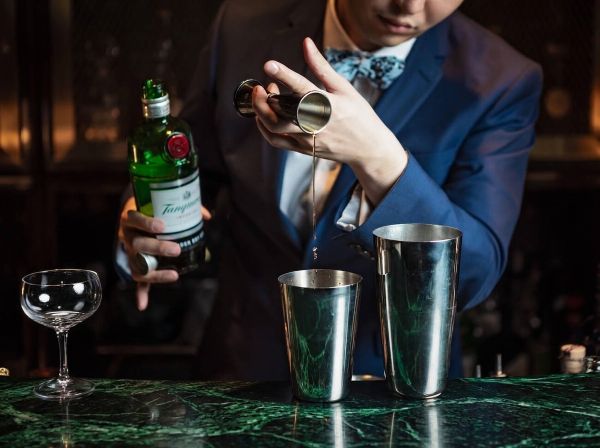
During those seconds, the bottle communicates its brand entirely through physical properties: weight (premium perception), grip (ergonomics and handling), visual presence (backlit glass color, surface texture), and sound (if the closure is a bar-top cork, the pop it makes). No label text is readable from that angle at that distance.
This is why the gin category invests more in bottle aesthetics than any other spirits segment — and why the bottle design brief should include how the bottle performs in service, not just how it looks in a retail photograph.
Weight: a heavier bottle reads as premium to a bartender and to adjacent customers. We specify glass weight at the drawing stage — not as a default.
Surface texture: a frosted or embossed body is visible and tactile from a metre away. Plain glass communicates differently.
Glass color: dark green glass on a backlit bar shelf creates a visually distinct warm glow that no label can replicate.
Neck length and grip width: a narrow neck is elegant but can be uncomfortable in fast service. Confirm ergonomics before finalizing the design.
Closure pull: natural cork has a characteristic resistance and sound — it signals handcraft in a way a screw cap cannot.
We raise these points in every custom gin bottle consultation. Not because they always change the design — but because knowing the answers means the final bottle has been designed for the environment it will actually perform in.
HUIHE has manufactured glass bottles from Xuzhou, Jiangsu since 2008. Three production bases, nine furnaces configured for different run sizes and glass types. Four in-house decoration facilities — we do not subcontract any decoration or finishing work.
Our 16-person export QC team operates independently of production, running full-bottle visual inspection on every unit. Not sampling — every bottle. Dimensional checks are batch-documented and available to clients on request.
We have active export accounts to over 60 countries, with sea freight arrangements to North America, Europe, Australia, and Asia. For gin specifically: UK, EU member states, and Australian accounts represent a significant portion of our spirits bottle export volume.
Annual production capacity
Across 3 production base
In-house decoration facilities
No subcontract — one team, one QC
Custom production total lead time
Brief to factory-ready shipment
Furnaces, varied configurations
Run size matched to order scale
Export QC specialists
Full-bottle inspection, not sampling
Export countries
UK · EU · US · AU · Asia
BUYER CONTEXT
Gin has a distinctive buyer profile compared to other spirits categories — more brand-led, more design-focused, more likely to have a specific visual concept before the technical conversation begins. The way we work with each buyer type reflects that.
Buyer Type 01
You have a botanical recipe, a brand name, and probably a visual direction — but the bottle is still undefined, or you're using a stock format that doesn't match the brand you've built. This is the most common gin buyer profile we work with. We handle custom mold development from brief to approved sample, with engineering input at the drawing stage to make sure the shape you want is producible at the quality you need. NDA coverage for your design is available before the conversation begins.
Among our gin clients: a European craft distillery building a botanical gin range selected a custom frosted bottle with mold-in juniper embossing — distinguishable on shelf from 3 metres without reading the label.
Buyer Type 02
You have an existing bottle format and are either refreshing the design or scaling into a new market requiring a different standard size (70cl to 75cl, or adding a 50cl premium tier). For refreshes, we work from your existing bottle's dimensional drawing — either matching the mold spec exactly or incorporating design changes. Sister mold development (matching two sizes from the same design family) is a standard project type for brands expanding into dual-market distribution.
Several gin accounts run both 70cl (EU) and 75cl (US export) simultaneously from sister molds developed in the same design cycle.
Buyer Type 03
You're managing gin packaging for multiple brand accounts — each with different bottle specs, different decoration setups, and different production schedules. You need a supplier with the throughput and operational discipline to run concurrent decoration programs without cross-contamination between brand accounts. Our four in-house decoration facilities operate on separate line schedules; brand-specific molds and artwork files are held in dedicated account records. We produce 70+ decoration SKUs monthly across spirits accounts.
Private label accounts with multiple active gin SKUs are among our highest-frequency repeat order clients in the spirits category.
Buyer Type 04
You're sourcing gin bottles for brands in your portfolio — either standardizing formats across a range, or filling production gaps for brands whose existing supplier can't meet their volume or lead time requirements. We maintain production schedules for common gin formats (70cl dark green cylinder, 70cl crystal white cylinder) with more predictable availability than ad-hoc batch purchasing. Consolidated container shipments across multiple gin SKUs are standard for distributor accounts.
Distributor accounts with recurring gin volume can arrange quarterly production scheduling to smooth inventory lead times.
Discover our premium selection of gin bottles, crafted to elevate your brand’s identity. Perfect for distilleries, spirit brands, and private label projects seeking quality packaging solutions.
FREQUENTLY ASKED
KEEP EXPLORING
Whether you have a complete spec or just a visual direction, send us what you have. We'll come back with a quotation, a development plan, or both — within 2 business days.