Quote
Subtotal: $0

Views: 0 Author: Site Editor Publish Time: 2026-01-06 Origin: Site


Ever grabbed a beer bottle and wondered about those small ridges on the bottom? They’re not just random design details. For you, the brewery buyer, those ridges mean safer shipments, lower costs, and better brand reliability. When you pick glass beer bottles for your brews, every tiny feature affects your bottom line. At HUIHE, we know how critical smart packaging choices are for breweries of all sizes. This blog breaks down why beer bottle bottom ridges matter—and how they can make your daily operations smoother.
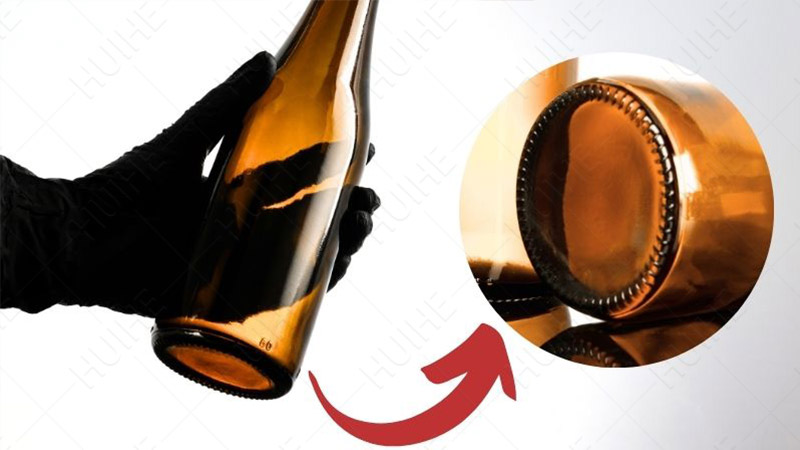
The ridges on the bottom of a beer bottle are raised circular lines formed during glass bottle manufacturing. They are usually located around the outer edge of the bottle base, near the contact point with flat surfaces.
In technical terms, these ridges act as reinforcement for the beer bottle bottom. Instead of having a completely flat base, the ridged design helps distribute pressure and reduce stress on the glass. This is especially important for beer bottles that must withstand carbonation pressure and repeated handling on high-speed bottling lines.
From a buyer’s perspective, ridges are a functional feature. They improve bottle strength, enhance stability on conveyors, and reduce the risk of breakage. That is why ridged bottoms are widely used in standard beer bottles, craft beer bottles, and export-oriented glass packaging.
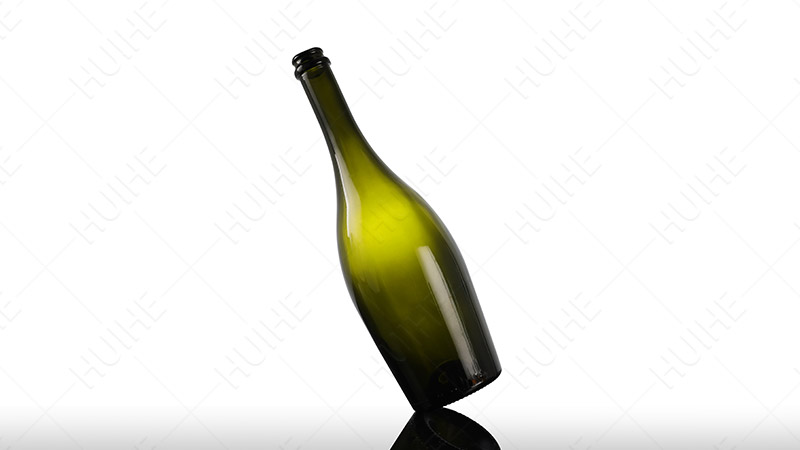
Beer contains carbonation, which creates constant internal pressure inside the bottle. A flat and unsupported base can become a weak point under this pressure. The ridges on the bottom help strengthen the beer bottle base by spreading pressure more evenly across the glass.
For you as a buyer, this means better pressure resistance and a lower risk of cracking or failure during filling, storage, and transport. This is especially important for craft beer bottles and export shipments, where temperature changes can increase internal pressure.
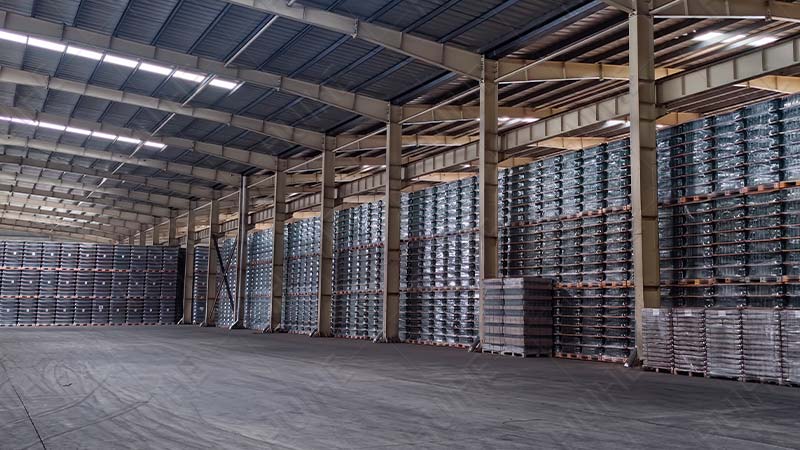
Beer bottlesare exposed to impact at many stages, from packaging lines to logistics and retail handling. The ridged bottom adds structural support to the bottle, making it more resistant to shocks and drops.
By reinforcing the bottle base, the ridges help reduce breakage during pallet stacking and transportation. If you are sourcing glass beer bottles for long-distance distribution, this design helps protect your product and reduce loss caused by damaged packaging.
Stability is critical in modern beer production. During filling, labeling, and packing, bottles move at high speed along conveyors. The ridges on the bottom improve contact with flat surfaces, helping the bottle stand more securely.
For breweries, better stability means fewer tipped bottles, smoother filling operations, and less downtime. When you choose beer bottles with a ridged bottom, you are selecting packaging that supports efficient production and safer transport.
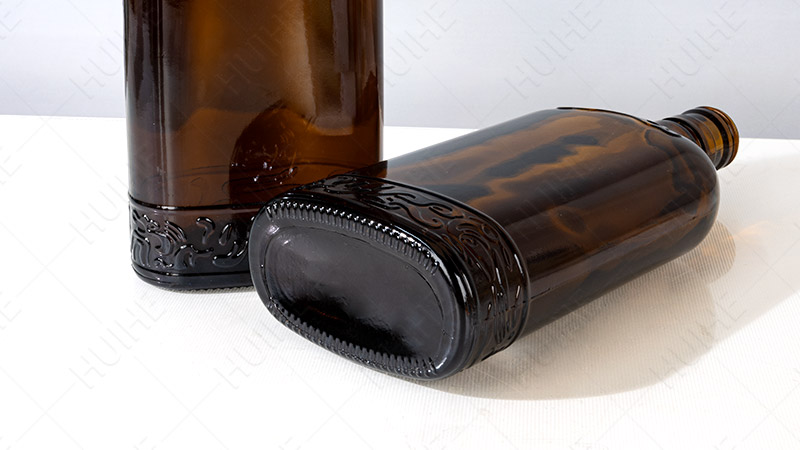
A well-designed beer bottle bottom is not just about strength, but also about smart glass distribution. The ridges allow manufacturers to reinforce key stress areas without making the entire bottle heavier.
For you, this offers two advantages. You get a strong bottle that meets performance requirements, while keeping overall bottle weight under control. This helps reduce material cost, improve shipping efficiency, and support sustainability goals without compromising quality.
Most commercial breweries use high-speed bottling lines that require consistent and reliable bottle performance. Ridges on the bottom help bottles move smoothly through conveyors, star wheels, and filling equipment.
From a procurement standpoint, this compatibility is essential. Choosing beer bottles with proven bottom designs helps prevent line jams, misalignment, and unnecessary production interruptions. It ensures the bottles you source work seamlessly with automated filling systems.
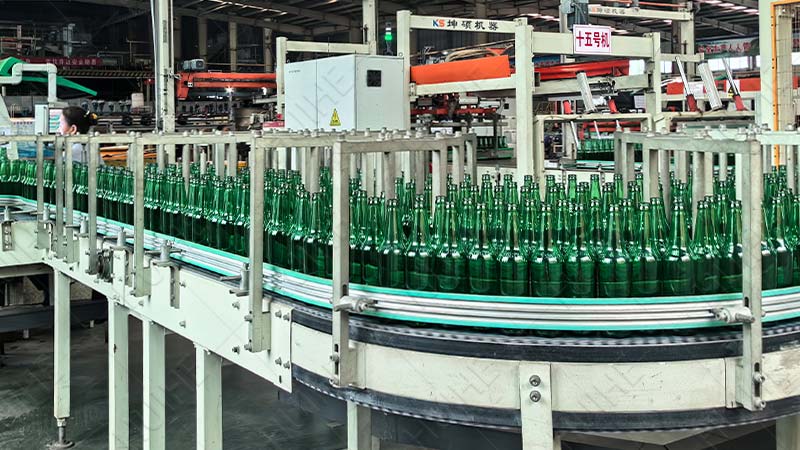
When choosing beer bottles, the bottom design affects strength, stability, cost, and production efficiency. The three most common options are ridged bottoms, punt bottoms, and flat bottoms. Each design serves a different purpose and fits different beer products.
The table below compares these beer bottle bottom designs from a buyer’s perspective.
Bottom Design | Common Applications | Pressure Resistance | Stability on Lines | Cost Efficiency | Key Buying Considerations |
Ridged Bottom | Standard beer bottles, craft beer, export markets | High | High | High | Balanced strength and stability, suitable for most carbonated beer |
Punt Bottom | Premium beer, specialty or presentation-focused brands | Medium | Medium | Medium | Strong visual appeal but not always optimized for high-speed filling |
Flat Bottom | Non-carbonated or low-pressure beverages | Low | High | High | Limited pressure resistance, not ideal for most beer packaging |
For most breweries, ridged bottom beer bottles offer the best overall performance. They provide strong pressure resistance, stable handling during filling, and consistent results on automated bottling lines. This makes them a practical and widely adopted choice for both large-scale and growing beer brands.
Punt bottom beer bottles are often selected for visual impact and brand differentiation. While they can handle carbonation, they are usually chosen for specific positioning rather than production efficiency.
Flat bottom designs are rarely used for beer due to lower pressure resistance. If you are sourcing bottles for carbonated beer, this option is generally not recommended unless the product has special requirements.
By understanding these differences, you can select a beer bottle bottom design that matches your product type, production process, and long-term cost expectations.
The short answer is no. Not every beer bottle comes with ridges on the bottom. You’ll find that most mass-produced bottles for carbonated lagers and ales use ridge designs for stability and pressure control. But some specialty bottles skip the ridges entirely. For example, small-batch craft breweries sometimes opt for flat-bottom bottles for limited-edition releases, leaning on unique aesthetics over bulk operational benefits. Punt-bottom bottles, another common alternative, have a deep indentation instead of raised ridges. These are popular for premium beers, but they’re heavier and costlier to ship. At the end of the day, the choice depends on your brewery’s priorities—whether you value cost efficiency, production speed, or brand-specific packaging looks.
Bottom ridges do not directly affect beer flavor or shelf life. They do not change the taste, aroma, or freshness of the beer inside the bottle.
However, bottom ridges do play an indirect role in protecting beer quality. By improving pressure resistance and reducing the risk of breakage, they help maintain package integrity. A bottle that stays intact during transport and storage is less likely to experience leaks, pressure loss, or contamination.
From a buyer’s point of view, ridged beer bottles support quality control by reducing packaging-related failures. This helps ensure your beer reaches consumers in the condition you intended.
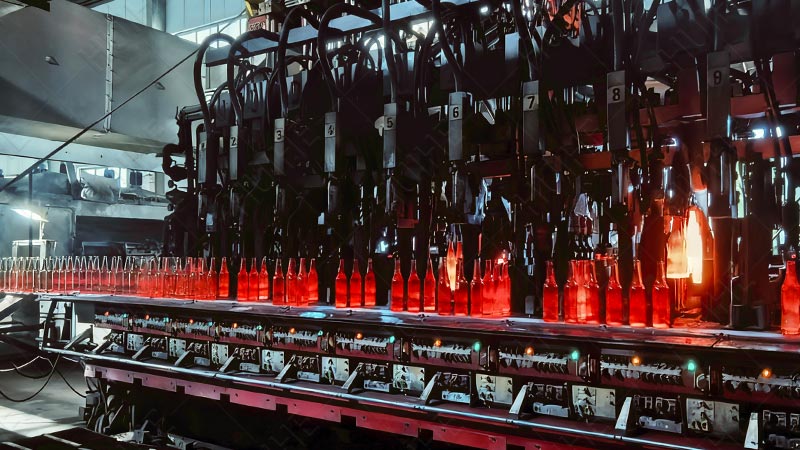
Bottom ridges are built into beer bottles right from the start of the manufacturing process—they’re not added as an afterthought. Here’s how it works for you to understand the craftsmanship behind your packaging.
First, glass is heated to a molten state and poured into a mold that matches your desired bottle shape, including the ridge patterns on the base. The mold has precise indentations that form the raised ridges when the glass cools and hardens. Modern factories use automated blow-molding machines to ensure every bottle has identical ridge dimensions—no variations, no inconsistencies. After molding, the bottles go through an annealing process, where they’re reheated and slowly cooled to strengthen the glass, especially around the ridge areas. This step is key to making the ridges durable enough to handle your brewery’s high-speed filling lines and rough shipping conditions.
Well-designed molds and stable production ensure every beer bottle meets the same structural standards, which is critical for large orders and long-term supply. HUIHE uses custom molds to create ridge designs that balance strength and weight, so you get bottles that work for your production and budget needs.
Yes, beer bottle bottom designs can be customized to meet different product and production needs. As a buyer, customization allows you to balance performance, cost, and brand positioning.
Common customization options include the shape and depth of bottom ridges, overall bottle weight, and glass thickness distribution. These factors influence pressure resistance, impact strength, and compatibility with your filling line. A well-designed bottom helps ensure consistent performance for carbonated beer throughout production and distribution.
When considering custom beer bottle bottoms, you should also evaluate mold design, order volume, and long-term supply stability. Customization works best when the bottom design supports your beer type, bottling speed, and logistics requirements, rather than focusing only on appearance.
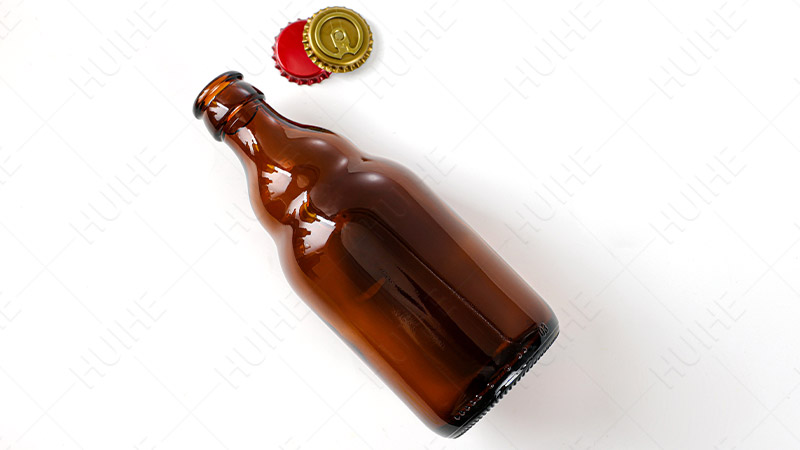
The ridges on the bottom of beer bottles are a functional design choice, not a decorative feature. They help improve pressure resistance, structural strength, and stability during filling and transportation, which saves you time and money.
Not all beer bottles have ridges, of course. Punt-bottom and flat-bottom designs serve their own purposes, but ridge-bottom bottles strike the perfect balance of durability, efficiency, and cost-effectiveness for most breweries. While ridges don’t directly impact beer quality or shelf life, they protect your product from damage and leaks that would ruin both. These bottom designs can be customized to fit your brand identity and production requirements.
For breweries and brand owners, understanding beer bottle bottom design supports better purchasing decisions. By choosing the right bottom structure and working with experienced manufacturers, you can reduce breakage, improve production efficiency, and ensure reliable packaging performance without compromising cost control.
Q1. Why are there ridges on the bottom of beer bottles?
The ridges on the bottom of beer bottles are designed to improve strength and pressure resistance. They help distribute internal pressure from carbonation and reduce stress on the glass during filling, transport, and storage.
Q2. Why don't bottles have flat bottoms?
Flat bottoms can become weak points under pressure, especially for carbonated beverages. A ridged beer bottle bottom provides better structural support and helps reduce the risk of cracking or breakage during handling.
Q3. What are the ridges on the bottom of a beer bottle called?
They are commonly referred to as bottom ridges or reinforcement ridges. These features are part of the engineered beer bottle bottom design used to improve performance.
Q4. Do ridges make beer bottles stronger?
Yes, ridges make beer bottles stronger by reinforcing the base of the bottle. This added strength helps the bottle withstand internal pressure, stacking weight, and impact during transportation.
Q5. Are ridged beer bottles better for carbonated beverages?
Yes, ridged beer bottles are better suited for carbonated beverages. The bottom ridges help manage carbonation pressure and provide more reliable performance throughout the supply chain.
Q6. Is a ridged bottom better than a punt for beer bottles?
In most cases, yes. A ridged bottom offers better stability and efficiency for high-speed bottling lines. Punt bottoms are often chosen for appearance, while ridged bottoms are preferred for consistent production and transport performance.
Q7. Do bottom ridges affect beer taste or quality?
No, bottom ridges do not affect beer taste, aroma, or quality. Their role is structural, helping protect the bottle and reduce packaging-related failures.
Q8. Can beer bottle bottoms be customized for different brands?
Yes, beer bottle bottoms can be customized. Options include ridge shape, depth, and overall bottle weight to match production requirements and brand positioning.
Q9. What bottle bottom design is best for craft beer?
For most craft beer brands, a ridged bottom design is the best choice. It provides strong pressure resistance, good stability, and reliable performance on both small and medium-scale bottling lines.


