Quote
Subtotal: $0

Views: 0 Author: Site Editor Publish Time: 2025-03-12 Origin: Site


What Are Distilled Spirits?
Distilled spirits are alcoholic beverages made through distillation. This process separates alcohol from other liquids. Understanding their shelf life is essential for keeping them fresh. Distillation increases alcohol content, which helps preserve the spirit for longer periods.
Distilled spirits, like vodka, whiskey, rum, and gin, are built to last due to their high alcohol content. However, their shelf life can vary depending on several factors such as the type of spirit and storage conditions.
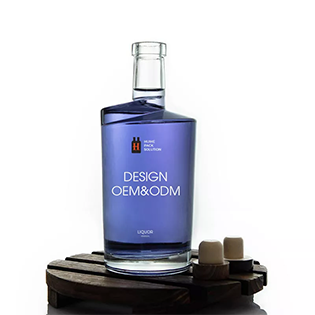
When stored properly, most distilled spirits have an almost indefinite shelf life if unopened. Spirits such as vodka, whiskey, and rum remain safe to drink even after many years. However, once a bottle is opened, the story changes. The shelf life of an opened bottle depends on the spirit type and environmental factors.
Unopened Bottles: An unopened bottle of distilled spirits can last indefinitely, as long as it is stored in a cool, dark place. The high alcohol content preserves the liquid.
Opened Bottles: After opening, spirits start to slowly lose their character. Typically, an opened bottle remains good for 1 to 5 years, although its flavor may degrade over time.
Several factors impact how long your spirits last:
Type of Spirit: Clear spirits like vodka and gin tend to last longer than aged spirits like whiskey or rum. This is because clear spirits have fewer flavor compounds that can change with exposure to air.
Storage Conditions: Store spirits in a cool, dry place, away from direct sunlight. Heat and light can cause evaporation and oxidation, which deteriorate the quality of the liquor.
Air Exposure: Once opened, the spirit is exposed to air, which leads to oxidation. This process alters the taste, making it more "flat" over time.
The shelf life of distilled spirits varies widely depending on the type of alcohol. Factors such as the production process, aging, and storage conditions all play a role in determining how long your spirits will maintain their quality.
Vodka is one of the most stable spirits due to its high alcohol content and lack of flavor compounds that can degrade over time.
Shelf Life of Vodka: When stored properly, vodka has an indefinite shelf life. It doesn't spoil, but its flavor may subtly fade if kept for years.
Does Vodka Improve or Degrade Over Time?: Unlike wine or whiskey, vodka does not improve over time. It remains relatively consistent.
Effect of Air Exposure on Vodka: Once opened, vodka may lose some of its subtle notes. The exposure to air causes minimal changes, but it's still best enjoyed within 1-2 years.
Whiskey undergoes an aging process that gives it its distinct flavors, but this process stops once the bottle is sealed.
The Aging Process and Shelf Life: Whiskey doesn’t continue to age after it’s bottled, so an unopened bottle can last decades. However, once opened, whiskey starts to lose its freshness over time.
How Storage Affects Whiskey: Whiskey should be kept in a cool, dark place. Excessive heat or light can cause it to degrade faster, reducing its quality.
Aged vs. Bottled Whiskey: Aged whiskey retains its flavor longer than non-aged spirits. Once opened, even aged whiskey will start losing its character after 1-2 years.
Rum is relatively stable, but its shelf life can depend on several factors, including its sugar content and whether it’s aged.
Shelf Life and Aging: Unopened rum lasts indefinitely if stored correctly. Aged rum may lose some flavor after opening, but it remains drinkable for years.
Effect of Environmental Factors: Heat and sunlight can affect rum, causing it to lose its complex flavors.
Spiced vs. Regular Rum: Spiced rum, due to added flavorings, may not last as long as regular rum. It's best consumed within 6 months to 2 years after opening.
Tequila’s shelf life varies depending on the type—blanco, reposado, or añejo—and how it’s stored.
Shelf Life Based on Aging: Unopened tequila, especially blanco, can last for years. Añejo tequila, with its aging process, may hold up for a similar period, but the flavors can degrade after opening.
Impact on Taste and Quality: Over time, air exposure can make tequila lose its crisp, fresh taste. It's best consumed within 1-2 years after opening.
Best Storage Practices: Tequila should be stored upright in a cool, dark place to maintain its quality.
Gin’s shelf life can be influenced by its botanicals and alcohol content, which give it its unique character.
Shelf Life After Opening: Gin typically lasts 1-2 years after opening. The flavor can change as it reacts with oxygen in the air.
Impact of Botanicals: The botanicals in gin, such as herbs and fruits, can lose their intensity over time. The more complex the gin, the more noticeable this change becomes.
Does Gin's Flavor Fade Over Time?: Yes, gin’s flavor profile will degrade over time, especially if exposed to heat or light.
Brandy’s aging process impacts its taste and preservation, making it a little different from other spirits.
Shelf Life and Aging Process: Unopened brandy can last indefinitely. However, the aging process before bottling adds complexity and flavor that does not continue to develop in the bottle.
Commercial vs. Craft Brandy: Craft brandies may have a more refined aging process, potentially allowing them to last longer and maintain their flavor.
Storage Tips: Keep brandy stored upright and away from heat to preserve its flavor. Once opened, it’s best consumed within 2-3 years for optimal taste. ```
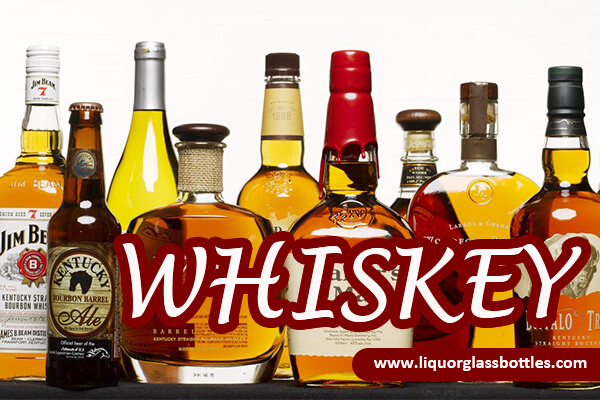
Even though distilled spirits are known for their long shelf life, they can eventually degrade in quality. Factors like oxidation, exposure to light, and improper storage can affect their taste and aroma.
When distilled spirits start to go bad, the changes can be subtle at first. Look out for these signs:
Change in Flavor, Smell, and Color: A noticeable change in the flavor, aroma, or color of the spirit can indicate that it has started to degrade. It may taste "flat," lose complexity, or develop an off-putting smell.
What Happens to Alcohol Content and Taste Over Time: Over time, some alcohol can evaporate, especially if the bottle is left open or not sealed tightly. This results in a decrease in alcohol content, which can lead to a weaker flavor and less enjoyable drinking experience.
How to Tell If the Spirit is Still Good to Consume: If the spirit doesn’t smell or taste right—if it has a strange odor, or the flavor is noticeably altered—it's best to discard it. Even if it looks fine, a drastic change in flavor or aroma is a key sign that it has gone bad.
Technically, alcohol doesn’t expire in the traditional sense, but it can degrade over time due to exposure to air, heat, and light.
Does Alcohol Technically Expire?: Distilled spirits do not "expire" like perishable items. However, their taste can change and degrade over time, especially after the bottle has been opened.
Impact of Oxidation and Light on Shelf Life: Oxidation (caused by exposure to air) and light can slowly alter the flavor of the spirit, making it taste dull or "flat." Sunlight is especially damaging, as it can heat the spirit and increase evaporation.
How Long It Typically Takes for Spirits to Degrade After Opening: After opening, most spirits will start to lose their optimal flavor within 1-5 years, depending on storage conditions and the type of spirit.
| Spirit Type | Shelf Life After Opening | Signs of Degradation |
|---|---|---|
| Vodka, Gin | 1-2 years | Subtle flavor loss, weaker aroma |
| Whiskey, Rum | 1-3 years | Dull flavor, evaporated alcohol |
| Tequila, Brandy | 1-2 years | Loss of complexity, off-putting smell |
Proper storage of distilled spirits can significantly extend their shelf life and preserve their flavor. To ensure your spirits remain at their best, follow these simple guidelines.
Proper Sealing and Storage Techniques: Always seal your bottles tightly after use. This minimizes air exposure, which can lead to oxidation. Use the original cap or a wine stopper to keep the bottle tightly sealed.
Temperature and Light Considerations: Keep your spirits in a cool, consistent temperature, away from direct sunlight. Heat can cause evaporation and degrade the flavor, while light can alter the taste. A dark cabinet or bar cart works best for storing spirits.
What Containers and Bottles Are Ideal for Preserving Spirits: Glass bottles are the best option for storing spirits, as they don’t interact with the liquid. Avoid plastic bottles, as they may affect the taste over time. For long-term storage, ensure the bottle is upright to prevent the liquid from contacting the cork or cap.
Impact of Refrigeration on Flavor and Longevity: Storing spirits in the fridge can help preserve the freshness of some types, like cream liqueurs. However, for most spirits like vodka, whiskey, or rum, refrigeration doesn’t significantly impact longevity.
Pros and Cons of Refrigeration for Various Types of Spirits:
Pros: Cooling can slow down oxidation and prevent temperature fluctuations. It can also help preserve the smooth texture of some spirits.
Cons: For spirits like whiskey and rum, refrigeration can mute their flavors. For some, like vodka, the cold might reduce the aroma and make the taste less enjoyable.
| Spirit Type | Refrigeration Needed? | Effect of Refrigeration |
|---|---|---|
| Vodka | Not necessary | No major effect, but cold texture may not be ideal for sipping |
| Whiskey | No | Reduces flavor complexity and aroma |
| Cream Liqueurs | Yes | Helps preserve freshness |
| Rum | No | Generally fine at room temperature |
Unopened distilled spirits can last indefinitely when stored in a cool, dark place.
While spirits won't spoil, their flavor may degrade over time, especially after being opened for years.
Aging in the bottle does not improve the flavor of spirits. Only barrel aging continues to affect flavor.
Refrigeration isn’t necessary for most spirits, but it can help preserve freshness for cream liqueurs and flavored spirits.
Seal the bottle tightly, store it in a cool, dark place, and consider transferring remaining liquid to smaller bottles.
The longevity of distilled spirits depends on factors like type, storage, and exposure to air. Proper storage in a cool, dark place ensures the best flavor and safety.Check your liquor cabinet to ensure spirits are sealed and stored correctly for optimal quality.


