Quote
Subtotal: $0
Views: 0 Author: Site Editor Publish Time: 2025-11-11 Origin: Site
When it comes to wine bottle closures, two options have dominated the conversation for years: classic wine corks and modern screw caps. As a wine business owner, you’ve likely wondered—Are screw caps replacing traditional corks?
It’s a debate that boils down to one core tension: Tradition vs Technology. On one side, wine corks carry decades of heritage, evoking that timeless “pop” that feels synonymous with special moments. On the other, screw caps bring practicality, consistency, and the tech-driven reliability that today’s bulk wine producers and global brands often seek. Whether you’re sourcing wine bottle closures for your premium reds, crisp whites, or emerging craft labels, this question isn’t just about preference—it’s about making the best choice for your product, your customers, and your bottom line. Let’s dive into the key factors that will help you decide between wine corks vs screw caps for your wine business.

Before choosing between cork or screw cap wine bottles, it helps to understand what makes them different.
Wine corks are made from the natural bark of cork oak trees, mainly harvested in Portugal and Spain. They’ve been used for centuries, prized for their natural flexibility and slight oxygen permeability that helps fine wines age gracefully. A cork allows just enough air to interact with the wine over time, which can enhance complexity and depth — perfect for wines meant to mature in the bottle.
Screw caps, on the other hand, are made from lightweight aluminum with a sealing liner inside. This modern closure was introduced in the 1960s and quickly gained popularity in regions like Australia and New Zealand. Screw caps provide a tight, consistent seal, preventing oxidation and spoilage. They’re easy to open, reseal, and ideal for wines designed to be enjoyed fresh and fruity.
When you’re sourcing bottles, the decision isn’t just about looks — it’s about how the closure interacts with your wine. Factors like oxygen transmission rate (O₂ permeability), cost, storage needs, and brand positioning all play a role. In short, corks suit aged wines, while screw caps fit fresh, ready-to-drink wines.
Feature | Cork | Screw Cap |
Material | Natural bark | Aluminum with liner |
Reusability | Limited | High |
Oxygen Control | Variable | Precise |
Cost | Higher | Lower |
When it comes to preserving wine quality, the type of closure you choose can make a big difference. Studies have shown that traditional corks, while charming and natural, can introduce a problem known as “cork taint.” This occurs when corks are contaminated by TCA (trichloroanisole), a compound that gives wine a musty, damp taste. Around 1–3% of wines sealed with cork are affected by this issue, leading to unwanted spoilage and wasted bottles.
Screw caps, by contrast, offer near-zero contamination risk. Their tight seal keeps out oxygen and bacteria, ensuring that the wine inside tastes exactly as the winemaker intended. That’s one reason why many wineries have switched to screw cap wine bottles — especially for export markets, where consistency and freshness are key.
Not all wines have the same preservation needs, and your choice between wine corks vs screw caps should align with your product type. Full-bodied red wines (like Cabernet Sauvignon or Bordeaux blends) that need aging thrive with wine corks. Their natural, variable oxygen permeability lets tiny amounts of air interact with the wine over years, softening tannins and unlocking complex flavors. On the other hand, crisp whites, rosés, and light-bodied reds shine with screw caps. These wines rely on fresh, bright fruit notes—something screw caps preserve perfectly by limiting oxygen exposure.
Industry research supports this trend: over a five-year storage period, wines sealed with screw caps showed 27% higher quality stability compared to cork-sealed bottles. That’s a significant advantage for producers aiming for consistent taste and long shelf life — and for brands that want every bottle opened by a customer to taste as fresh as the day it was sealed.
Wine corkshave stood the test of time for good reason—they bring unique benefits that align with heritage-driven brands. First, their natural bark material and iconic “pop” deliver unbeatable tradition, resonating with consumers who associate wine with ritual and craftsmanship. They also let wine “breathe” through subtle oxygen permeability, a key advantage for premium reds and complex blends that need years of aging to reach their full potential.
However, cork closures aren’t perfect. The biggest challenge is cork taint, caused by a chemical compound called TCA. This issue affects around 5% of all cork-sealed wines, giving them a musty, moldy flavor that ruins the tasting experience. Corks also require careful storage — bottles must be kept horizontally to prevent drying out — and they tend to be more expensive than modern alternatives.
For winemakers and bottlers, it’s not just about tradition — it’s about precision. That’s why choosing bottles with the right neck design is essential. At HUIHE, we provide bottles with accurate neck dimensions and closure compatibility, ensuring a perfect fit every time, whether you prefer cork-sealed or screw-cap designs.
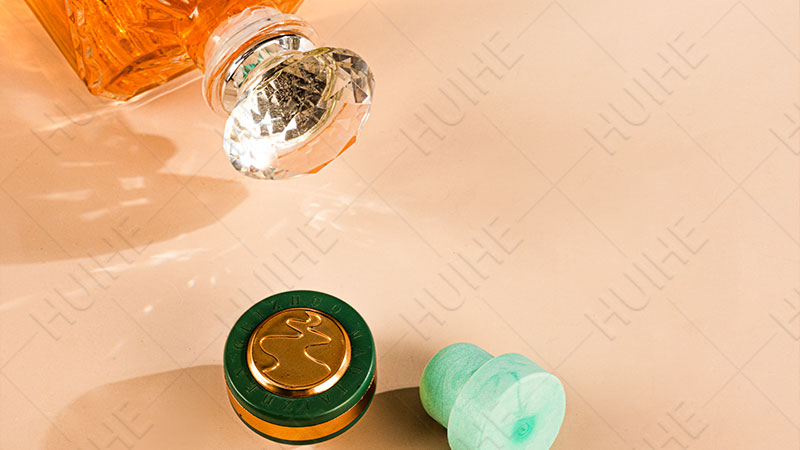
Screw caps have become a go-to for forward-thinking wine businesses, thanks to the clear benefits of screw cap wine bottles. Their airtight aluminum and liner design offers exceptional seal tightness, reducing oxidation and locking in fresh fruit flavors—perfect for whites, rosés, and young reds. They’re also far more durable for storage and transportation, with no risk of breakage or contamination, making them ideal for global distribution or bulk shipments. Cost-wise, they’re more budget-friendly, helping you cut down on packaging expenses without compromising quality.
Still, screw caps aren’t without debate. Some traditionalists feel they lack the romance of a cork, and there’s ongoing discussion about whether they allow the same complexity to develop in wines meant for long aging. Yet, for most modern winemakers focused on freshness, consistency, and export reliability, screw caps offer the best balance of performance and practicality.
As sustainability becomes a key concern in the wine industry, your choice between cork and screw cap closures also reflects your brand’s environmental values. Both options have their eco-friendly advantages — just in different ways.
Corks are made from the bark of cork oak trees, a natural and renewable material. The trees aren’t cut down; the bark regenerates every 9–10 years, allowing continuous harvesting. Cork forests also support biodiversity and help absorb carbon dioxide, making them an important part of Europe’s ecosystem. However, harvesting and transporting natural corks require more manual labor and energy, and quality control can vary.
Screw caps, in contrast, are made from recyclable aluminum, which gives them a smaller carbon footprint in large-scale production. They can be reused or recycled efficiently, and manufacturing has become cleaner thanks to modern recycling systems. For wineries aiming to reduce waste and simplify logistics, screw caps often fit better into eco-friendly packaging trends.
Ultimately, both closures can play a part in a sustainable packaging strategy. The key is to balance performance, material impact, and your brand’s green positioning. At HUIHE, we support wineries in developing sustainable glass packaging solutions, including bottles compatible with both cork and screw cap closures — helping you meet market expectations for quality and environmental responsibility.
Choosing the best closure for your wine isn’t just a technical decision — it’s a strategic one. Your target market, wine type, budget, and logistics all play a role. Still wines benefit from both cork and screw cap options, while sparkling wines require specialized pressure-resistant closures. Cost is also a key factor.
Consumer perception also matters. According to Wine Intelligence 2025, 78% of U.S. premium wine consumers still associate corks with higher quality, while in Australia and New Zealand, 92% of buyers are comfortable with screw caps, even for top-tier wines. That means your choice should align with both your price positioning and your market’s cultural expectations.
At HUIHE, we make this decision easier with a one-stop packaging solution — offering glass bottles with cork or screw-cap compatibility.
The debate between wine corks and screw caps isn’t about right or wrong — it’s about finding the best fit for your wine and your brand. Corks carry a sense of heritage and are ideal for wines meant to age, while screw caps deliver consistency, freshness, and practicality for everyday wines.
In today’s market, both closures have earned their place. The key is understanding your wine’s style, target consumers, and long-term storage goals. Whether you’re preserving tradition or embracing innovation, the closure you choose can shape how customers experience your wine — even before they take the first sip.
At HUIHE, we help wineries make that choice simple. Our custom glass wine bottles are designed for both cork and screw-cap compatibility, offering flexibility, precision, and sustainable options for every brand style.

Q1: Is wine better with cork or screw top?
It depends on your wine and market. Corks are ideal for premium or aged wines that need slow oxygen exchange, while screw tops work best for fresh, young wines. Screw caps also ensure consistency and prevent cork taint.
Q2: Does corked wine last longer than screw top?
Not always. Corks can allow gentle aging, but they’re less predictable. Screw caps provide a tighter seal, keeping wine stable and fresh for years — especially for whites and rosés.
Q3: Is a wine stopper better than a cork?
Wine stoppers are convenient for resealing opened bottles, but they’re not meant for long-term storage. Natural corks and screw caps are designed for original bottling and preservation.
Q4: Why is cork no longer used in wine bottles?
Corks are still widely used, especially for high-end wines. However, many producers have moved to screw caps because they’re more reliable, affordable, and easier to manage in transport. The shift reflects modern winemaking and eco-friendly packaging trends rather than the end of cork itself.


