Quote
Subtotal: $0
Views: 0 Author: Site Editor Publish Time: 2025-11-17 Origin: Site
Glass bottles break in luggage for a few simple but unavoidable reasons. It all boils down to three big culprits: vibration, impact, and pressure changes.
When your suitcase goes through airports, it gets pushed, dropped, stacked, and moved fast from one belt to another. All this constant vibration and hard impact can crack the bottle body or snap the neck—the weakest part of any glass container.
Another reason is pressure changes during flights. Even though most luggage areas are pressurized, small shifts in air pressure, combined with rough handling, increase the stress on your bottle. If the bottle is not sealed tightly, liquid leaks can make the situation worse. A wet surface reduces friction and makes the bottle slide around easily, increasing the chance of breakage.
You should also understand the difference between carrying glass bottles in checked luggage vs. carry-on bags. In checked luggage, your suitcase goes through heavy stacking and long-distance movement, so the risk of breakage is much higher. In a carry-on bag, you keep the bottle with you, but you face strict liquid limits, which means large glass bottles are usually not allowed.
All these factors explain why packing glass bottles safely is so important — and why the right protection can make the difference between arriving with souvenirs intact or opening your suitcase to a messy surprise.

Packing glass bottles safely in your luggage is much easier when you follow a clear, practical system. Below is a simple step-by-step guide you can use for liquor bottles, wine bottles, liquors, or any other fragile glass container you want to bring home without cracks or leaks.
Before you even start packing, the type of bottle you carry already affects its chance of survival. Thick-bottom liquor bottles offer the best impact resistance, while wine bottles handle pressure well but often have longer, thinner necks. Beer bottles are lighter and easier to break because of their thinner walls.
The closure also matters. A screw cap seals tightly and is usually the safest option for travel. Cork closures can loosen during pressure changes, and GPI caps (common on many spirits bottles) provide a strong seal when closed properly.
As a glass packaging manufacturer, HUIHE knows that bottles with even wall thickness, a balanced weight, and a sturdy neck finish handle vibration and stacking better. When choosing souvenirs, look for bottles that feel solid and well-made — it gives you a better starting point for safe packing.
The bottle neck is the weakest part of any glass container. It’s long, narrow, and absorbs most of the impact when your suitcase is dropped or tipped. To reduce the risk of cracks or leaks, start by adding a tight seal around the closure.
A layer of leak-proof tape, such as electrical tape or packing tape, helps keep the cap from twisting loose. If you have it, a small piece of heat-shrink wrap adds extra stability and keeps the closure protected. This small step prevents leaks and gives the neck better resistance during movement.
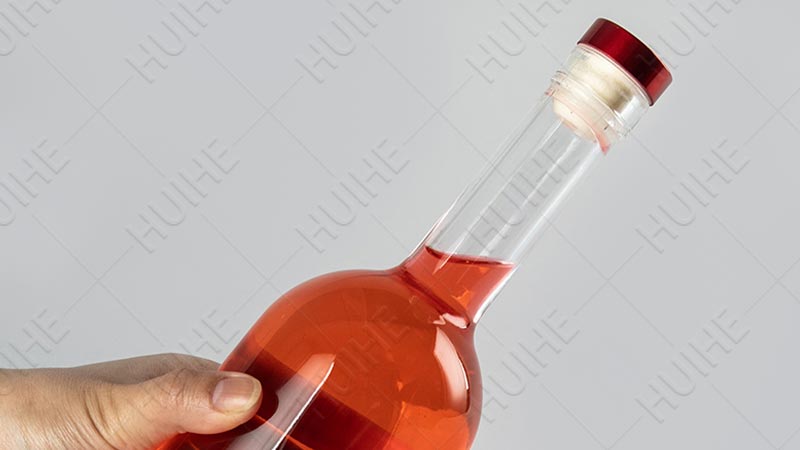 |
| Long Neck Liquor Bottle |
This is the step that saves the most bottles during travel. You can use several materials — just make sure each bottle is wrapped individually.
Start with bubble wrap or any soft padding you have. Then add a second layer using items you already packed, such as T-shirts, sweaters, or towels. Many travelers love the “wrap bottles in clothes” method because it's simple and provides thick cushioning without extra weight.
Don’t forget to protect the bottom of the bottle. Add an extra layer of padding here — a small towel or thick sock works well — because the base absorbs a lot of the force when your suitcase hits the ground.
Even when a bottle doesn’t break, leaks can ruin your luggage. That’s why it’s smart to put each wrapped bottle inside two zip-top bags or a dedicated waterproof travel pouch. Double-bagging gives you a second barrier in case the seal loosens or the bottle shifts during the flight.
If you’re short on space, you can also place bottles inside your shoes for extra protection — just keep them sealed first. This “leak-proof” approach aligns with TSA recommendations and significantly reduces the likelihood of liquid escaping into your clothes.
Where you put the bottle matters just as much as how you wrap it. Always position glass bottles in the middle of your suitcase, surrounded by soft items like jeans, jackets, or sweaters. The more buffer between the bottle and the outer shell, the lower the chance of direct impact.
Avoid placing bottles near the edges or corners, where they’d take the hardest hits. And if you’re carrying more than one bottle, keep them separated by a thick layer of padding or a divider so they don’t knock against each other.
Once everything is in place, your final step is to keep the bottles from shifting. Use compression bags, packing cubes, or even tightly packed clothing to fill empty spaces around the bottles. The goal is simple: no rolling, no sliding, no bouncing.
A stable suitcase interior means less movement during handling — and a much higher chance your glass bottles will arrive home safe and intact.
 |
| Thick-bottom liquor bottles |
If you're planning to bring home wine, liquor, or olive oil from a trip, a few extra packing habits can help you avoid leaks, cracks, or unexpected airport issues. These tips answer common questions like “how to pack wine in a suitcase,” or “can I bring liquor on a plane.” They also help you choose the right luggage, avoid common mistakes, and adapt your packing method to different travel scenarios and bottle types.
Not all bottles handle travel the same way.
Wine bottles have long, slim necks that crack easily when the suitcase is dropped.
Liquor bottles, especially thick-bottom spirits bottles, are stronger but heavier — more weight means more impact if they shift.
If you're carrying mixed items, pack the weakest bottle type with the most padding and place sturdier bottles on the outside of that cushioning.
Even though you can bring liquor on a plane in checked luggage, packing too many bottles increases pressure, weight, and breakage risk. A safe rule is:
Only pack what you can cushion properly.
Leave space for clothing layers.
Avoid overloading the suitcase — heavy bags are more likely to be stacked at the bottom, increasing pressure on the bottles.
For liquors or wine, one or two bottles per suitcase is usually the safest approach.
 |
| Long Slim Neck Wine bottles |
Your luggage matters more than most travelers realize.
Hard-shell suitcases are the best choice. They protect against crushing and absorb external pressure.
If you only have a soft-shell suitcase, add a DIY reinforcement layer by placing flat cardboard or a thin plastic board along the sides. This gives the bottles more structural support.
A suitcase with internal compression straps also helps keep everything stable.
Many travelers rely on methods that feel safe but fail in real situations. Avoid these common errors:
Do not wrap bottles in newspaper — the ink transfers easily and the paper provides almost no cushioning.
Don’t overload your suitcase — the heavier the bag, the greater the pressure on your bottles during stacking.
Don’t mix bottles with sharp items like chargers, metal souvenirs, or tools. One hit in turbulence can crack the glass.
Simple fixes can prevent big problems.
Different trips require different packing strategies. Here’s how to adjust:
1. Air Travel (Checked Luggage)
Follow airline weight and size rules.
Add generous padding to survive long-distance handling.
Place bottles deep inside the suitcase to avoid impact at the edges.
2. Road Trips / Self-Driving
Keep bottles low and centered in the trunk so they don’t roll.
Use towels or seat gaps to keep them stable.
Avoid storing bottles near heat sources during summer.
3. International Shipping or Moving Abroad
Add double reinforcement using foam, cardboard tubes, or inflatable sleeves.
Tape all caps tightly.
Check customs rules for alcohol quantity and food imports before packing.
Each shape needs a slightly different approach:
Long, narrow bottles (wine bottles):
Wrap the neck extra thick, then wrap the body separately to balance the pressure.
Wide-mouth condiment or other bottles:
These are prone to leaks, so seal the cap tightly and double-bag them.
Small bottles like perfume or sample bottles:
Store them inside shoes, cosmetic pouches, or thick socks for natural padding.
Not all bottles require the same protection.
Use a simple, budget-friendly combination:
Bubble wrap
Clothes or towels
A zip bag for leak protection
Upgrade your method with:
Inflatable bottle protectors
Molded foam sleeves
A small hard case inside your suitcase
Extra sealing on the closure
High-value bottles deserve high-value protection.
Before you decide how many bottles to bring home, it’s important to know the basic airline and TSA rules that apply to glass bottles, wine, liquor, and other bottles. These regulations help you avoid last-minute surprises at security and make sure everything you pack complies with international travel standards.
If you're wondering whether you can bring glass bottles in your carry-on, the answer is only if each container is 100 ml (3.4 oz) or less. This rule comes directly from TSA and most international airlines. It applies to:
Larger bottles must go into your checked luggage. Even if your bottle is sealed or brand-new, security will not allow anything above 100 ml in your carry-on bag.
You can pack glass bottles in checked baggage, and TSA does not set a specific limit on the number of bottles. However, airlines do have weight and size restrictions. Once your suitcase becomes too heavy:
It may be placed at the bottom of cargo stacks (higher pressure on your bottles).
You may pay overweight fees.
Excess weight increases the risk of impact damage.
A good rule is to pack only the bottles you can protect well. Quality padding matters more than quantity.
If you're flying with liquor, the alcohol percentage matters. TSA and most international aviation authorities follow these rules:
Alcohol over 70% ABV (140 proof) is not allowed in checked or carry-on luggage.
Alcohol between 24% and 70% ABV is allowed in checked baggage, usually up to 5 liters per passenger.
Alcohol below 24% ABV (wine, sake, most liqueurs) has no quantity limit from TSA, though airlines may set their own rules.
Always keep the bottle sealed and store it in the original packaging when possible.
While TSA rules apply to U.S. travel, other regions have their own standards.
For example:
Some Asian and Middle Eastern countries require duty-free liquids to remain in sealed, tamper-evident bags.
EU airports also follow the 100 ml carry-on rule but sometimes check alcohol quantities more strictly.
Certain countries limit how much alcohol you can bring in, even for personal use.
Before your trip, it’s smart to check:
Your airline’s baggage policy
Your departure and arrival country’s customs limits
Duty-free liquid rules for connecting flights
Knowing these differences helps you avoid confiscation or delays at the airport.

When travelers search for the best ways to pack glass bottles, they usually want to know which materials actually work and which ones are worth carrying. Below is a quick, clear comparison of the most effective protective materials. These are similar to what commercial glass packaging manufacturers like HUIHE Packaginguse to keep bottles safe during long-distance transport.
Pros:
Excellent shock absorption.
Wraps tightly around bottle curves.
Cons:
Adds bulk to your suitcase.
Not always available when traveling.
Pros:
Free and easy to use.
Provides thick, flexible layers for cushioning.
Cons:
Not as impact-resistant as specialized materials.
Needs multiple layers to protect heavy bottles.
Pros:
Designed specifically for wine and liquor bottles.
Lightweight and reusable.
Cons:
Limited to standard bottle sizes.
One sleeve typically protects only one bottle.
Pros:
Best shock resistance of all travel-friendly solutions.
Fully surrounds the bottle with air chambers.
Extremely effective for long flights or thin glass bottles.
Cons:
Requires inflation and slightly more preparation.
Takes more space when carrying multiple bottles.
Pros:
Great for stabilizing bottles and preventing rolling.
Helps organize padding around the bottles.
Cons:
Offers little impact protection on its own.
Must be combined with bubble wrap or clothes.
Using a combination of these materials gives your bottles the best chance of surviving luggage handling, especially when flying internationally.

Many travelers damage bottles because of a few simple but risky habits. Avoid these mistakes to protect your wine, liquor, or other bottles during flights.
This is the area that gets hit first when your bag is dropped or stacked. Always keep bottles in the center.
These areas have the weakest protection and absorb the most pressure. One strong impact can crack the glass instantly.
A loose cap or unsealed cork is one of the biggest causes of leaks. Tape the closure, shrink-seal it if possible, and double-bag before packing.
Bundling bottles seems convenient, but it causes them to hit each other during movement. Always wrap and pack each bottle individually.
Packing glass bottles safely doesn’t have to be stressful. As long as you wrap each bottle properly, seal the neck, use leak-proof bags, and place everything in the center of your luggage, your wine, liquor, or souvenirs will usually arrive without cracks or spills. Understanding TSA rules, choosing the right suitcase, and avoiding common mistakes also make a big difference.
At HUIHE Packaging, we work with glass bottles every day, so we know how they react to pressure, impact, and long-distance transport. The same protective methods used in commercial packaging can help you travel confidently with your own bottles. With the right preparation, you can bring home your favorite drinks and gifts safely — no messy surprises.

Q1: Can you take glass bottles in checked luggage?
Yes. You can put glass bottles in your checked luggage, including wine, liquor, and other liquids. Just make sure they are well-wrapped and sealed to avoid breakage.
Q2: How to pack glass bottles in a suitcase?
Wrap each bottle individually with bubble wrap or soft clothes, seal the bottle neck, double-bag it to prevent leaks, and place it in the middle of your luggage surrounded by soft clothing. Keep bottles away from the edges and zippers.
Q3: Can I take a glass bottle on a flight?
In carry-on bags, only bottles 100 ml (3.4 oz) or smaller are allowed. Bigger bottles must go into checked luggage.
Q4: How to pack liquor bottles in checked luggage internationally?
Seal the cap tightly, wrap the neck securely, add thick padding around the bottle, and place it in the center of a hard-sided suitcase. Check your destination country’s alcohol import limits before flying.
Q5: How do I keep glass bottles from breaking in my suitcase?
Use multiple layers of cushioning (bubble wrap + clothing), double-bag for leaks, and keep bottles tightly packed so they don’t move or roll. Avoid placing bottles near suitcase edges.
Q6: How many liquor bottles can you take on a plane?
It depends on alcohol content:
24%–70% ABV: Up to 5 liters per passenger in checked luggage.
Below 24% ABV (wine, liqueurs): No TSA limit, but airlines may apply weight rules.
Above 70% ABV: Not allowed.
Q7: Is bubble wrap enough to protect glass bottles?
Bubble wrap is helpful, but not enough on its own. Always add clothing, extra padding for the bottle bottom, and a leak-proof zip bag for safety.
Q8: What is the safest way to bring wine home on a flight?
Use a hard-shell suitcase, wrap the wine bottle with thick padding, seal the neck, double-bag it, and place it deep in the center of your luggage. Wine sleeves or inflatable bottle protectors offer even better protection.


