Quote
Subtotal: $0
Views: 0 Author: Site Editor Publish Time: 2025-11-26 Origin: Site
If you’ve ever wondered about the difference between liquor and liqueur, you’re not alone. These two words look almost the same, and many people—whether casual drinkers or new spirits brands—mix them up. But understanding the real meaning behind liquor vs liqueur helps you choose the right products, create better cocktails, and even decide how your spirits should be packaged.
In this guide, you’ll learn exactly what separates liquor from liqueur, how each one is made, and why the distinction matters for distilleries, bartenders, and anyone working with spirits packaging. We’ll also touch on how the type of alcohol you’re making can influence your bottling choices, including glass bottle styles, sizes, and labeling.
By the end, you’ll be able to confidently explain liquor vs liqueur—and make smarter decisions for your brand or product line.

Liquor—also called spirits—is a distilled alcoholic beverage made through two main steps: fermentation and distillation. First, sugars from grains, fruits, or other natural sources are fermented into alcohol. Then the liquid is distilled to increase its alcohol content and create a cleaner, stronger spirit. This process is what gives liquor its bold flavor and high ABV.
When people talk about liquor, they usually mean one of these classic categories:
Vodka – Neutral in flavor, ideal for cocktails that need a clean base.
Gin – Distilled with botanicals like juniper, giving it a fresh, aromatic taste.
Rum – Made from sugarcane or molasses, ranging from light and sweet to dark and rich.
Whiskey – Aged in barrels, offering warm notes like caramel, oak, or spice.
Brandy – Distilled from wine or fruit juice, often smooth and slightly fruity.
Tequila – Made from blue agave, offering earthy, herbal, and citrusy notes.
Each spirit has its own personality, production method variations, and cultural background, but they all share one thing in common—they are distilled, not sweetened.
Liquor generally has a higher ABV than liqueur. Most spirits sit around 35%–50% ABV, with some going even higher depending on the style and distillation level. This high alcohol content is why liquor is commonly used as the base spirit in cocktails or enjoyed neat, on the rocks, or in simple mixed drinks.
Understanding what liquor is—and how it’s made—helps you see why it tastes stronger, feels cleaner, and is packaged differently from liqueurs, especially when choosing the right glass bottles and branding for your spirits line.

A liqueur is a flavored and sweetened alcoholic beverage made by taking a base spirit (such as vodka, rum, whiskey, or brandy) and infusing it with flavorings and sweeteners. Unlike liquor, which focuses on purity and strength, liqueurs are crafted for taste, aroma, and versatility. The process often includes steeping fruits, herbs, spices, nuts, or other botanicals into alcohol, then adding sugar or syrup to create a smooth, often dessert-like profile.
Liqueurs come in a huge range of styles, making them popular for both cocktails and sipping. You’ll find categories such as:
Fruit liqueurs – orange, cherry,peach, raspberry
Herbal liqueurs – chartreuse,amaro, traditional European botanical blends
Cream liqueurs – Irish cream,chocolate cream
Nut liqueurs – hazelnut, almond
Coffee liqueurs – espresso-style blends, dessert coffee flavors
Spice liqueurs – cinnamon, vanilla, holiday-style flavors
Because the flavor options are so wide, liqueurs often become signature ingredients in cocktails or seasonal releases.
Compared with liquor, liqueurs are:
Sweeter – sugar or syrup is always added
More flavorful – designed around taste instead of strength
Lower to medium ABV – usually 15%–30%,though some can reach 35%+
Versatile – used for cocktails,desserts, coffee drinks, holiday specials, or even as standalone sippers
Their approachable flavor profile and decorative colors also influence liqueur packaging choices. Many brands use elegant, custom-shaped glass bottles to reflect the sweet, premium nature of their product, helping the liqueur stand out on shelves or gift sets.
Understanding what liqueur is—and how it differs from liquor—makes it easier to choose the right style, recipe, and packaging direction for your brand.

When you compare liquor vs liqueur, the differences become clear in alcohol content, production methods, flavor profile, and even packaging needs. Below is a simple breakdown to help you understand each category and choose the right direction for your product line.
Dimension | Liquor (Spirits) | Liqueur | Packaging Tips |
Alcohol Content (ABV) | Typically 40%–60% ABV, sometimes higher (vodka, whiskey, tequila) | Usually 15%–30% ABV, with added sugar, flavor extracts, or syrups | Spirits work best with thick-wall glass bottles for strength and impact resistance. HUIHE uses high-pressure, durable glass ideal for premium liquors. Liqueurs benefit from crystal-clear bottles to showcase color. |
Ingredients & Production | Fermented grains or fruits, then distilled; no added sugar or flavorings | Base spirit mixed with sugar, fruits, botanicals, herbs, or spices | Liquor pairs well with premium finishes like frosted glass, hot stamping, or embossing—available through custom decoration. Liqueurs thrive in unique shapes or colored prints; HUIHE offers custom mold design and creative bottle shapes. |
Taste & Drinking Occasion | Strong, bold, sometimes spicy; great for neat drinking or cocktails in bars and upscale events | Sweeter and richer, perfect for after-dinner drinks, dessert cocktails, or home parties | Spirits often use 750ml classic bottles, while liqueurs commonly use 375ml or specialty sizes. |
Labeling & Regulation | Must list origin and distillation method; sugar disclosure often not required | Must list sugar content and flavor ingredients; some regions limit the use of “liqueur” | Use FDA/EU-compliant label printing, with scratch-resistant coatings and food-grade inks. |
Knowing these differences helps you pick the right direction for your formula, branding, and glass bottle packaging. Whether you’re creating a bold spirit or a colorful liqueur, the bottle shape, clarity, and decoration style can dramatically influence shelf appeal—and this is where HUIHE’s custom mold capabilities and high-quality glass production give your product an edge.
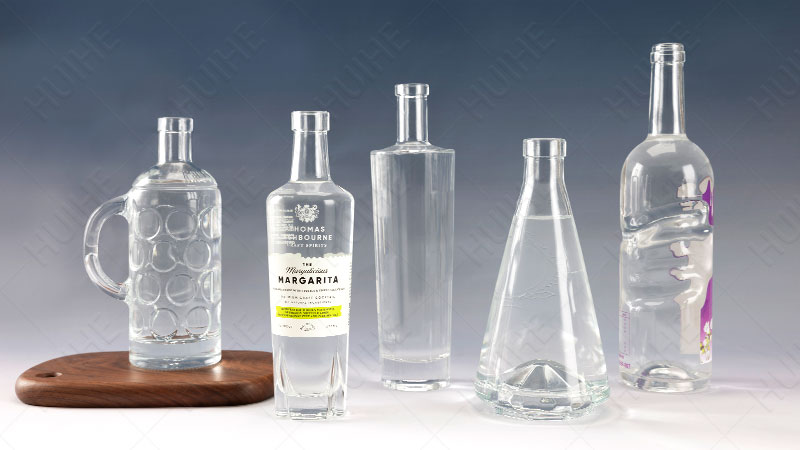
Seeing real examples makes the liquor vs liqueur difference even clearer. Each category has its own popular styles, flavor profiles, and best uses in cocktails, sipping, or even cooking.
These spirits are distilled, strong, and usually served as the base of a drink:
Vodka – Clean and neutral; great for classic cocktails like the Martini or Moscow Mule.
Gin – Botanical and aromatic; perfect for refreshing cocktails such as the Gin & Tonic or Negroni.
Rum – Light rums are ideal for tropical drinks, while dark rums work well for sipping or baking.
Whiskey – From bourbon to Scotch, whiskey is popular for neat drinking, old-fashioned cocktails, and slow sipping.
Tequila – Bold and earthy; widely used in Margaritas or enjoyed straight in premium expressions.
Brandy – Smooth and fruity; excellent for after-dinner sipping or in warm cocktails like the Sidecar.
These liquors form the foundation of most cocktail menus and are often packaged in stronger, heavier bottles to highlight their premium nature.
Liqueurs focus on flavor and sweetness, making them highly versatile:
Orange liqueurs (Triple Sec, Cointreau) – Used in Margaritas, Cosmopolitans, and dessert sauces.
Coffee liqueurs – Popular in Espresso Martinis or after-dinner drinks.
Herbal liqueurs – Such as amaro or chartreuse; used for complex cocktails or served neat as digestifs.
Cream liqueurs – Great for dessert cocktails or holiday drinks.
Fruit liqueurs – Raspberry, peach, lychee, cherry; add sweetness and color to mixed drinks.
Nut liqueurs – Hazelnut or almond styles; excellent in baking or dessert cocktails.
Because liqueurs often come in vibrant colors or unique flavors, brands usually choose clear or specialty-shaped bottles to show off the product’s personality.
Knowing which examples fall into each category—and how they’re used—helps you select the right recipe direction, target market, and glass bottle design for your own spirits or liqueur lineup.

When you’re learning the difference between liquor and liqueur, it’s normal to run into a few common myths. Here are the ones people ask most often — and what the industry really says.
No. Flavored vodka is still liquor, not a liqueur.
Even though it has added flavor, it usually does not contain added sugar, which is a key part of what makes a liqueur. If the bottle keeps a typical vodka ABV (35–40%+), it remains a spirit. Liqueurs, by contrast, are sweetened and often lower in ABV.
Yes — some can.
Most liqueurs sit between 15–30% ABV, but certain herbal or bitter liqueurs can reach 35–55% ABV. They are still classified as liqueurs because they contain added sugar and flavorings, even if the alcohol strength is similar to distilled spirits.
Not at all.
Liquor (like vodka, rum, tequila, whiskey) is usually the base spirit in a cocktail. Liqueur is added for sweetness, aroma, or color. Using one instead of the other changes the entire balance of the drink.
Baileys and similar cream products are liqueurs. They always include a spirit base + sugar + flavor (cream, chocolate, coffee, etc.).
Not always.
Some spirits (like certain aged rums or brandies) taste naturally sweet due to barrel aging, but they are still liquors as long as no sugar is added.
Definitely not.
Liqueurs are used in cocktails, shots, desserts, coffee drinks, and even cooking. Liquor is for sipping, mixing, or infusions. Understanding this liquor vs liqueur difference helps you choose the right bottle for your recipe.

When you understand the difference between liquor and liqueur, you’ll see why the bottling and packaging strategy shouldn’t be the same. If you’re sourcing bottles for your product line, here are the key points you should consider.
Liquor (spirits) is usually high-ABV, stable, and less sensitive to light or sugar content. This gives you more freedom in bottle shape, volume, and closure.
Liqueurs, on the other hand, often contain sugar, cream, fruit extracts, or botanicals. These ingredients can affect shelf stability, color retention, and oxidation. That’s why liqueurs usually need:
A tighter seal to avoid sugar crystallization or flavor degradation
UV-resistant glass for fruit or herbal liqueurs
Smaller sizes for specialty or dessert-style products
Understanding these differences helps you choose packaging that protects your formula and strengthens your brand positioning.
When choosing the right glass bottle for liquor or liqueur, keep the following in mind:
High-volume liquors often use 750ml, 1L, or 1.75L (handle) bottles, while liqueurs may perform better in 375ml or 500ml formats for gifting or premiums. Think about how your target customers drink and purchase your product.
Choose thick, durable glass for premium liquors.
For liqueurs with delicate colors, consider flint glass for clarity or amber glass for UV protection.
Liquor brands often go for bold branding, embossing, or custom molds to highlight heritage.
Liqueurs may need larger label panels to display ingredients, allergens, or flavor cues (e.g., fruit, cream, herbal).
A strong, reliable seal matters for both categories:
Liquor: corks, T-stoppers, aluminum caps
Liqueurs: higher sealing performance to protect sweetness, dairy, or fruit components
Cream liqueurs and fruit liqueurs benefit from:
Air-tight closures
Dark glass
Correct fill height
These choices help you maintain flavor and extend shelf life.
Your bottle is often the first thing buyers notice.
Choose shapes, embossing, and decorations that match your brand story, whether it’s classic, modern, luxury, or artisanal.
If you’re still comparing your packaging options, you can explore our related guides on glass bottle sizes, glass packaging selection, and liquor bottle types to help you make clearer decisions. These internal resources will give you more detail on volume options, bottle shapes, and custom mold development.

Understanding the difference between liquor vs liqueur helps you make smarter choices—whether you’re a casual drinker, a bartender, or a growing spirits brand. Liquor gives you high alcohol, bold flavor, and versatile cocktail use. Liqueurs bring sweetness, aroma, and creativity to dessert drinks and mixes.
If you’re a distillery or a beverage startup, these differences also shape your bottling and packaging strategy. From glass thickness to clarity, label space, bottle shapes, and sealing options, choosing the right packaging protects your formula and elevates your brand.
At HUIHE, we support spirit and liqueur brands with custom molds, premium glass quality, multi-size options, and full decoration services, helping you build packaging that stands out on the shelf and performs well in production.


